A well-chosen kitchen runner does more than protect your floors — it anchors the entire room’s aesthetic, defines movement zones, and adds warmth to one of the most hardworking spaces in any home. Yet for interior designers, selecting the right runner often presents a surprising number of challenges. What size works for a narrow galley versus an open-concept layout? How do you balance visual impact with the practical demands of spills, foot traffic, and daily wear?
These decisions matter more than they might initially seem. An undersized rug looks lost and disconnected, while an oversized one disrupts traffic flow and creates safety hazards. The wrong material can deteriorate within months, leaving clients frustrated and spaces looking neglected.
This guide cuts through the guesswork with targeted, practical advice designed for real kitchen environments. You’ll find clear guidance on kitchen rug sizes for various layouts, smart picks in compact kitchen rugs for smaller spaces, proven rug placement tips that improve both safety and style, and material recommendations for rugs built to withstand high-traffic areas. Whether you’re outfitting a client’s chef-worthy kitchen or refreshing a modest apartment galley, these strategies will help you make confident, informed choices every time.
Mastering Kitchen Runner Sizes for Every Layout
Getting the size right is the single most consequential decision when selecting a kitchen runner. A properly scaled rug creates visual cohesion, supports natural movement, and makes the space feel intentional rather than improvised. Misjudge the dimensions, and even the most beautiful runner becomes a liability — visually awkward, functionally disruptive, or both.
Kitchen rug sizes vary considerably depending on layout, and understanding those differences is essential. In a standard galley kitchen, runners typically range from 2×6 feet to 2×8 feet, following the length of the primary work corridor. The goal is to cover the main activity zone without blocking cabinet access or creating abrupt transitions at either end. For L-shaped kitchens, many designers opt for two coordinating runners rather than forcing a single piece to work across an awkward angle — one placed along each active leg of the layout. Open-concept kitchens offer more flexibility, but also more risk. Here, a runner that’s too narrow reads as an afterthought. A width of at least 2.5 to 3 feet anchors the kitchen zone more convincingly within the larger space.
Traffic patterns and appliance placement should drive size decisions just as much as floor area. Position runners where people actually stand — in front of the sink, the stove, or along an island — rather than centering them purely for symmetry. A runner that aligns with workflow feels natural; one placed for visual balance alone often ends up in the way.
Measuring and Fitting for Optimal Results
Before ordering, measure the full length of the intended zone and subtract 6 to 12 inches from each end to maintain visible floor clearance — this prevents the rug from disappearing under toe kicks or appliances. Width-wise, allow at least 6 inches of bare floor on each side for a grounded, finished look. The most common sizing mistake is choosing a runner that’s too short; when in doubt, size up rather than down, as a longer runner almost always reads better in the finished space.
Selecting Compact Kitchen Rugs for Small Spaces
Small kitchens present a unique design challenge: every element must earn its place, and a rug that overwhelms the floor plan can make an already tight space feel claustrophobic. Compact kitchen rugs — typically ranging from 2×3 feet to 2×4 feet — are purpose-built for these environments, offering the warmth and definition of a full-size runner without consuming precious square footage. When chosen thoughtfully, they can actually make a small kitchen feel larger and more composed.
Material selection becomes especially critical in confined spaces where ventilation is limited and spills are inevitable. Low-pile constructions in polypropylene or nylon are particularly well-suited here — they lie flat against the floor (reducing trip risk in narrow corridors), resist moisture absorption, and clean up quickly with minimal effort. Washable options are worth prioritizing for clients who cook frequently, as they eliminate the logistical headache of professional cleaning in a space that sees daily messes. Brands like Lahome offer machine-washable kitchen runners in compact sizes that address exactly these practical concerns without sacrificing style.
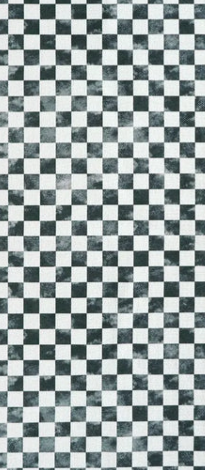
Pattern and color choices carry more visual weight in compact kitchens than in open layouts. Geometric patterns with a light background can draw the eye along the floor’s length, creating an illusion of depth in galley-style arrangements. Conversely, dense, dark patterns in a small space tend to visually compress the room. A single accent color pulled from the cabinetry or backsplash keeps the rug feeling intentional rather than decorative filler.
For placement, the most effective positions in tight kitchens are directly in front of the sink, between a counter and an island, or just inside an entryway that opens into the cooking zone. Each of these spots captures high foot traffic while keeping the rug contained to a purposeful area. Avoid placing compact kitchen rugs in the center of the floor where they serve no functional role — in a small space, every design decision should connect form to function.
Proven Rug Placement Tips for High-Traffic Kitchens
Even the most carefully sized runner will underperform if it’s placed in the wrong spot. Strategic placement transforms a kitchen rug from a decorative afterthought into a functional asset — one that guides movement, cushions prolonged standing, and visually organizes the space. The key is aligning rug position with how people actually use the kitchen, not how the floor plan looks on paper.
The three highest-value placement zones in any kitchen are in front of the sink, in front of the stove or range, and alongside a kitchen island. These are the areas where cooks spend the most time standing, and where spills, splashes, and dropped items are most frequent. A runner placed in front of the sink absorbs water that inevitably misses the basin, while one positioned at the stove provides cushioning during extended cooking sessions. Along an island, a runner defines the prep zone and creates a clear visual boundary between the kitchen and adjacent living or dining areas in open-concept layouts.
Workflow alignment is equally important. Rug placement tips that prioritize function over symmetry consistently produce better results. If your client moves between the stove and a prep counter repeatedly during cooking, a runner connecting those two points serves the space far better than one centered under a pendant light. Observe — or ask about — daily kitchen routines before finalizing placement decisions.
Placement for Safety and Style
Safety is non-negotiable in a high-traffic kitchen. Every runner should be paired with a quality non-slip pad sized to match the rug’s footprint — this single addition prevents the majority of slip-and-fall incidents. Avoid placing runners across doorway thresholds where curled edges create tripping hazards, and check periodically that corners remain flat. For style cohesion, align the runner’s dominant color or pattern with existing kitchen elements — cabinet hardware, tile grout, or countertop veining — to create a composed, intentional look rather than a disconnected accent.
Durable Rugs for High-Traffic Kitchen Areas
In a kitchen that sees daily cooking, entertaining, and family activity, a runner’s longevity depends almost entirely on material and construction choices made at the point of purchase. Rugs for high-traffic areas must balance aesthetic appeal with genuine resilience — because a rug that looks worn within a year is neither a design success nor a practical one. Understanding which materials hold up under pressure helps designers make recommendations that clients will appreciate long after the initial installation.
Polypropylene remains the benchmark material for kitchen durability. It’s inherently stain-resistant, moisture-repellent, and colorfast, meaning it won’t fade under the combination of sunlight and repeated cleaning. Nylon is a close second — slightly softer underfoot and exceptionally resilient against crushing from foot traffic, making it ideal for households with children or pets. Natural fibers like wool offer warmth and texture but require more deliberate maintenance; sealed wool or wool-blend constructions strike a better balance between character and practicality in a kitchen setting. Avoid untreated cotton in primary kitchen zones — it absorbs moisture readily and can harbor bacteria if not laundered frequently.
Construction density matters as much as fiber type. A tightly woven or low-pile construction resists dirt penetration, making surface cleaning faster and more effective. High-pile or shag runners, while visually appealing, trap food particles and are difficult to clean thoroughly — a poor match for the kitchen environment regardless of fiber content.
Maintenance routines directly extend a rug’s lifespan. Shake or vacuum runners weekly to remove loose debris before it works into the pile. For spills, blot immediately rather than rubbing — rubbing spreads stains and damages fibers. Machine-washable options simplify this process considerably; where possible, recommend washable constructions to clients who cook regularly. Rotating the rug every few months also distributes wear evenly, preventing one end from deteriorating faster than the other. These straightforward habits keep even a heavily used kitchen runner looking intentional and well-maintained for years.
Putting It All Together for a Better Kitchen Design
Designing a kitchen that works as well as it looks comes down to the details — and few details carry as much practical and visual weight as a well-chosen, well-placed runner. The strategies covered here give you a clear framework for making those decisions with confidence. Start with accurate sizing tailored to the specific layout, whether that’s a narrow galley, an L-shaped configuration, or an expansive open-concept space. In tighter kitchens, lean into compact options that maximize impact without overwhelming the floor plan. Let workflow — not symmetry — guide placement decisions, and always anchor runners with non-slip pads to protect both the rug and the people using the space. Finally, prioritize materials built for the realities of kitchen life: moisture, spills, and relentless foot traffic.
For interior designers, applying these principles means delivering results that clients notice immediately and appreciate for years. A kitchen runner done right doesn’t just look intentional — it functions as a genuine design asset that ties the room together while standing up to daily demands. Take these insights into your next project, revisit the placement and sizing decisions you might have previously treated as secondary, and explore how the right runner can genuinely elevate a kitchen from functional to exceptional.