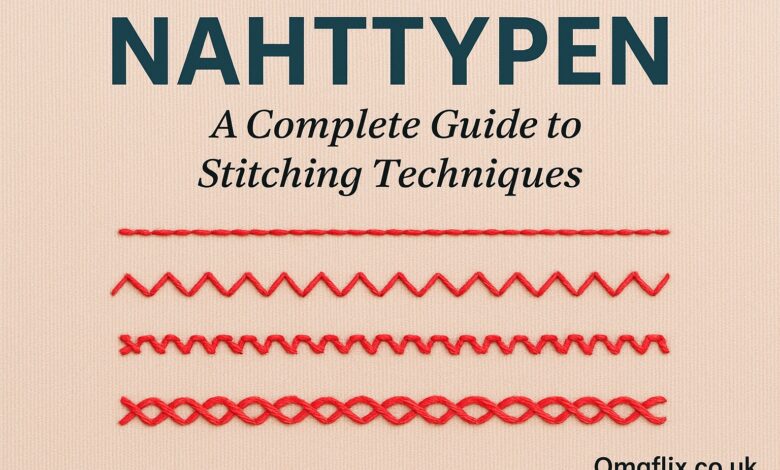
The world of sewing and textile design, the term Nahttypen—German for “types of seams” or “stitch types”—plays a crucial role in determining the strength, flexibility, and overall appearance of a garment or textile product. Whether you’re an aspiring fashion designer, a hobbyist tailor, or an industrial sewing technician, understanding different Nahttypen is essential for creating durable and aesthetically pleasing results.
This guide explores the most common types of seams, their functions, and how they’re used across various sewing applications.
What Are Nahttypen?
The term Nahttyp (plural: Nahttypen) refers to the specific way in which two or more pieces of fabric are joined together by stitching. Each seam type serves a different purpose depending on the fabric, the desired finish, and the function of the final product. Some seams prioritize strength, others flexibility or a smooth finish.
Essentially, choosing the right Nahttyp determines the success of your sewing project—affecting both performance and visual appeal.
1. Plain Seam (Geradstichnaht)
The plain seam, or Geradstichnaht in German, is the most common and basic type of seam used in sewing. It involves placing two pieces of fabric right sides together and stitching along the edge, typically with a straight stitch. After sewing, the seam allowance is pressed open or to one side.
Uses:
-
Everyday garments (shirts, dresses, skirts)
-
Home textiles such as pillow covers and curtains
Advantages:
-
Easy to sew
-
Works on most fabrics
-
Clean and flat finish
This seam type forms the foundation for most other Nahttypen and is ideal for beginners.
2.French Seam (Französische Naht)
The French seam, known as Französische Naht, is a type of enclosed seam that hides the raw edges of the fabric. It’s perfect for lightweight or delicate materials like silk, chiffon, or organza, where fraying edges would otherwise be visible.
Construction Process:
First, sew the fabric wrong sides together with a narrow seam, then trim and fold so that the right sides face each other. Sew again to encase the raw edges completely.
Uses:
-
Fine clothing (lingerie, blouses, formal wear)
-
Sheer fabrics
Advantages:
-
No raw edges
-
Elegant, professional finish
-
Enhanced durability
The French seam is a mark of craftsmanship and attention to detail in couture and luxury fashion.
3. Flat-Felled Seam (Kappnaht)
The flat-felled seam, or Kappnaht, is another durable seam type commonly used in garments that require strength and resilience—most famously in denim jeans. This seam encloses the raw edges by folding them under and stitching them flat against the fabric.
Uses:
-
Jeans and trousers
-
Workwear and uniforms
-
Sportswear and outdoor gear
Advantages:
-
Extremely strong and long-lasting
-
Neat finish on both sides
-
Prevents fraying and adds structure
Because of its double stitching, the flat-felled seam is ideal for clothing that undergoes frequent washing or mechanical stress.
4. Overlock Seam (Overlocknaht)
The overlock seam (Overlocknaht) is created with an overlock or serger machine, which trims the fabric edge while simultaneously sewing and enclosing it with thread loops. This method is highly efficient in industrial and home sewing applications.
Uses:
-
Knitwear and stretch fabrics
-
Casual clothing and T-shirts
-
Finishing raw fabric edges
Advantages:
-
Prevents unraveling
-
Adds stretch and flexibility
-
Fast and professional-looking
Overlock seams are essential for modern garment production due to their speed and clean results.
5. Zigzag Seam (Zickzacknaht)
The zigzag seam, or Zickzacknaht, is a versatile and decorative stitch used for both functional and aesthetic purposes. It’s particularly effective for sewing stretchy fabrics or reinforcing edges that may fray.
Uses:
-
Stretch fabrics (jersey, spandex)
-
Buttonholes and appliqué
-
Edge finishing
Advantages:
-
Elastic and adaptable
-
Prevents fraying
-
Decorative potential
With adjustable stitch width and length, zigzag seams offer flexibility for both functional and creative projects.
6. Lapped Seam (Überlappungsnaht)
The lapped seam, or Überlappungsnaht, involves overlapping two fabric edges and sewing them together, often with one or more rows of stitches. It’s strong, flat, and commonly used in leatherwork or sportswear.
Uses:
-
Leather garments and upholstery
-
Outerwear (jackets, coats)
-
Technical textiles
Advantages:
-
Durable and flat
-
No need to press open
-
Suitable for thick or non-fraying materials
Choosing the Right Nahttyp
Selecting the correct Nahttyp depends on three main factors:
-
Fabric Type: Delicate fabrics require enclosed seams like French seams, while sturdy fabrics like denim benefit from flat-felled seams.
-
Garment Function: Activewear needs flexibility, making overlock or zigzag seams ideal.
-
Aesthetic Preferences: Visible seam designs can add a decorative element to clothing.
By understanding the purpose and properties of each seam type, sewists can make more informed decisions and achieve professional-quality results.
Read More: Miami Florida Verenigde Staten – The Magic City of Sun, Culture, and Endless Energy
Final Thoughts
Mastering different Nahttypen is an essential skill for anyone passionate about sewing, tailoring, or fashion design. Each seam type offers unique advantages in terms of durability, comfort, and style. From the simplicity of a plain seam to the precision of a French seam or the toughness of a flat-felled seam, the right stitching technique transforms a simple piece of fabric into a functional and beautiful creation.
Whether you’re working on delicate silk or rugged denim, your choice of seam defines not just the structure of the garment but also the craftsmanship behind it. In sewing, as in design, every stitch tells a story—and knowing your Nahttypen ensures that story is sewn with strength, beauty, and precision.