Stepping into a restaurant that feels like a movie set can transform an ordinary meal into an unforgettable experience. Cinematic dining blends immersive storytelling with thoughtful design, drawing diners into a world where furniture plays a central role. Rather than merely filling space, chairs, tables, and decor become part of the narrative, setting mood and tone as effectively as lighting or music.
In recent years, more than 10 percent of diners have reported that ambiance is the main reason they choose one venue over another, and nearly two-thirds of guests say atmosphere or a change of scenery drives their decision to dine out. This shift has inspired restaurateurs to look to film and television for inspiration, creating spaces that feel both familiar and fantastical. In the sections that follow, we’ll explore how every element of restaurant furniture, from silhouette to surface, helps craft these immersive scenes.
Telling Tales Through Tables and Chairs
Designers often treat furniture as a form of visual shorthand, using silhouettes and materials to suggest a particular genre. A sleek leather banquette might evoke a film noir setting, while distressed wood chairs can transport guests to a rustic countryside drama. Upholstery from velvet to woven textures further enhances emotional resonance, calling to mind the glamour of old Hollywood or the warmth of a cozy indie film.
By casting signature pieces as “characters,” designers strike a balance between narrative authenticity and the comfort guests expect. Seating must not only look the part but also support hours of conversation and enjoyment. Comfortable chairs have been shown to elevate perceptions of hospitality and boost overall guest satisfaction, proving that good design is both beautiful and practical. To keep stories fresh, many venues update upholstery and accent pieces seasonally, adapting their visual narrative as menus and moods evolve.
Lead Roles: Chairs, Booths, and Stools That Capture the Limelight
Choosing the right shapes and profiles for chairs and booths can reinforce a restaurant’s theme at a single glance. Seat heights and contours are carefully matched to sightlines and even to potential camera angles, ensuring that every frame looks as inviting as it feels. Iconic designs, whether mid-century modern classics or custom-made pieces, trigger nostalgic callbacks that deepen guests’ emotional connection.
Flexible seating clusters encourage natural interaction, making diners feel like they’re part of the unfolding story. Modular stools and benches allow staff to reconfigure layouts in moments, perfect for venues that host events or change themes regularly, since guests who linger tend to spend more per visit, these adaptable arrangements can directly boost revenue by encouraging longer dwell times and more relaxed dining.
Supporting Cast: Tables and Tableware in Cinematic Sets
Scale and proportion are crucial when placing tables on a cinematic stage, Designers select heights and shapes that create ideal sightlines, whether diners are watching an open kitchen or reclining at a booth. Finish choices from high gloss lacquer to hand-hammered metal affect how surfaces catch and diffuse light, adding drama to each dish.
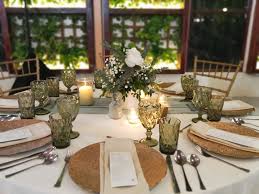
Table settings act as supporting props, with placemats and centerpieces serving as narrative devices that reinforce the overall theme. Coordinating tableware finishes from matte stoneware to gleaming silver helps unify the visual palette. Layouts also consider ease of movement for servers and guests, keeping sightlines clear for both comfort and any behind-the-scenes filming that might occur. Layered textures and tiered tabletop displays add depth to wide shots, making each scene feel thoughtfully composed.
Lights, Camera, Materials: Crafting Atmosphere
Materials like polished brass, tinted glass, and lacquered wood play with both natural and artificial light, elevating the sense of drama. Reflective surfaces bounce light into darker corners, while matte finishes absorb glare, guiding guests’ eyes to key focal points. Some designers embed hidden LED strips into banquette bases or shelving, creating a seamless glow that feels both practical and theatrical.
Strategic furniture placement enhances daylight flow through windows and skylights, while fixtures built into tables or chairs offer customizable illumination for evening service. Research suggests that diners in well-lit environments are 16 to 24 percent more likely to choose healthier menu options, which they often track with apps, demonstrating how design can influence behavior as well as mood.
Stage Direction: Furniture Layout for Dramatic Effect
Just as a director blocks actors, restaurateurs map out their dining rooms to guide guest movement and attention. Focal zones such as a signature banquette or a sculptural seating island act as on-stage set pieces, anchoring the room and drawing the eye. Deliberate use of space creates moments of tension and release, encouraging guests to explore or relax depending on the scene.
Dividing the floor plan into intimate nooks and communal tables caters to different moods, whether a romantic date or a lively group gathering. Varying ceiling heights and furniture volumes add cinematic depth, making the space feel larger or more intimate as intended. Themed hospitality venues in the UK have grown by nearly 30 percent in the last year, reflecting how powerful these design choices can be in attracting guests.
Blockbuster Inspirations: From Screen to Seating
Memorable dining scenes from the grandeur of a palace banquet to the grit of a neon-lit diner offer valuable lessons for restaurant design. Production designers often share insights on translating cinematic visions into real-world spaces, blending authenticity with functionality. Several film-themed restaurants around the world have successfully recreated iconic backdrops, drawing fans eager to dine in their favorite scenes.
These venues frequently report significant revenue lifts compared to standard concepts, as nostalgia and novelty drive bookings. By studying both blockbuster hits and cult classics, restaurateurs can identify which elements, color palette, furniture style, and lighting cues resonate most strongly with their audience.
Director’s Cut: Actionable Design Strategies
Authentic theming often starts with collaboration, inviting set designers or film consultants to contribute ideas early in the process. Budgets can balance investment in standout statement pieces with durable seating meant for everyday use. Vintage finds and custom reproductions alike should meet quality standards to withstand high traffic.
Staff training helps maintain the illusion, from polishing reflective surfaces to arranging props before service. Planning seasonal or menu-driven refreshes keeps the narrative fresh without losing the core theme. Finally, gathering guest feedback through comment cards or social media allows continuous refinement of the story.
Encore: The Lasting Impact of Story-Driven Furniture
Immersive design turns meals into memories, making furniture more than just functional objects. Every chair, table, or barstool becomes part of a story that guests carry with them long after they leave. As film-inspired interiors continue to evolve, bold experimentation and thoughtful storytelling will set the scene for the next generation of dining experiences.
Whether you’re crafting an intimate noir lounge or a vibrant sci-fi cantina, your furniture choices are the first lines of dialogue. By scripting each element with intention, restaurateurs can create spaces that not only serve great food but also transport guests into worlds they’ll want to revisit again and again.