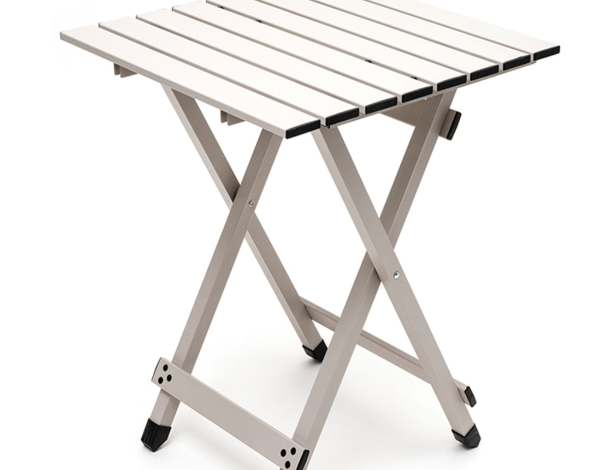
There’s something genuinely magical about spreading a blanket, unpacking fresh food, and settling into a meal surrounded by open sky. But that magic fades quickly when your table wobbles on uneven grass, collapses under the weight of a casserole dish, or proves too bulky to haul from the car. For anyone who picnics regularly, the table isn’t just furniture — it’s the foundation of the entire experience.
This brings most outdoor enthusiasts to a familiar crossroads: do you invest in a lightweight folding camping table that travels effortlessly, or do you choose a durable waterproof table built to withstand seasons of heavy use? Both options have genuine merit, and the wrong choice can mean either lugging unnecessary weight through a hiking trail or watching a flimsy surface buckle at a family reunion.
This article cuts through the confusion by breaking down exactly what each table type offers, where each falls short, and how to match your choice to your specific picnic habits. We’ll compare portability against longevity, examine real-world pros and cons, and offer practical recommendations so you can head outdoors with confidence — and a table that actually works for you.
Understanding Your Picnic Needs as an Enthusiast
Before comparing table types, it helps to understand what actually matters when you’re out in the field. Picnic enthusiasts generally care about two things above all else: how easily they can get their setup to the destination, and how well that setup holds up once they arrive. These two priorities often pull in opposite directions, which is why choosing the right outdoor dining solution requires an honest look at how and where you actually picnic.
Consider the variety of scenarios most outdoor diners encounter. A family gathering at a local park calls for a stable, spacious surface that can handle platters, drinks, and the occasional elbow leaning in for conversation. A beach trip demands something that resists sand and moisture without weighing down your beach bag. A hiking excursion to a scenic overlook makes every extra pound feel like ten by the time you reach the summit. Each setting places different demands on your picnic table, and no single option performs equally well across all of them.
The right table doesn’t just hold your food — it shapes the rhythm of the meal. A surface that wobbles sends drinks tumbling. One that’s too small forces everyone to eat in shifts. Outdoor dining solutions that are genuinely well-matched to your habits make setup feel effortless and cleanup feel quick, leaving more time for the reason you came outside in the first place. Thinking through your typical picnic frequency, group size, and terrain will make the folding versus durable debate far easier to resolve.
Folding Camping Tables: The Ultimate in Portability
A folding camping table is essentially engineered around one core promise: get out of the way when you don’t need it, and show up reliably when you do. Most models are built from lightweight aluminum or high-density polyethylene, materials that keep the overall weight low without sacrificing the structural integrity needed to hold a spread of food and drinks. The folding mechanism itself varies by design — some tables collapse into a slim briefcase-style profile, others roll into a cylindrical carry bag — but the goal is always the same: shrink down to something you can carry without thinking twice about it.
Setup is typically measured in seconds rather than minutes. Most folding camping tables use a single-action leg deployment or a simple unfold-and-lock system that requires no tools and no instructions after the first use. That kind of frictionless assembly matters more than it might seem when you’re juggling a cooler, a bag of food, and a group of people who are already hungry.
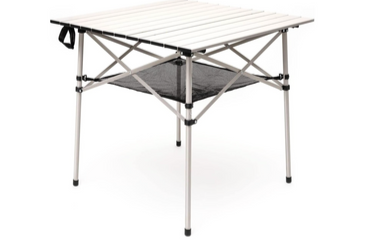
Pros of Folding Tables for Picnics
The most obvious advantage is how naturally these tables fit into spontaneous plans. When a sunny afternoon opens up unexpectedly, a folding table slides into your trunk without any rearranging. For hikers and backpackers, ultralight models weigh as little as two pounds, making them genuinely viable as travel tables for longer treks. Their compact footprint also makes them practical for smaller vehicles, apartment storage, and trips where space is already at a premium. Many designs — including options from outdoor furniture brands like SunnyFeelOutdoor — include carry handles or shoulder straps, so transport from parking lot to picnic spot requires minimal effort.
Cons and Limitations of Folding Tables
Portability does come with trade-offs. Folding tables generally have lower weight capacities than their sturdier counterparts, which becomes a real issue when you’re loading them with heavy cast iron cookware or a full catering spread for a large group. Leg stability on uneven terrain can also be a persistent frustration — many models offer limited or no height adjustment, meaning a slight slope in the ground translates directly into a wobbling surface. In genuinely harsh weather conditions, lighter materials and locking joints can flex or loosen over time, shortening the table’s overall lifespan compared to more robust outdoor dining solutions built for long-term use.
Durable Waterproof Tables: Built for Longevity
Where folding tables prioritize convenience, durable waterproof tables are designed around a different philosophy entirely: show up, hold up, and keep doing so season after season. These tables are typically constructed from heavier-gauge aluminum frames, powder-coated steel, or pressure-treated hardwood with weatherproof finishes — materials chosen specifically because they resist the slow degradation that outdoor exposure causes over time. The tabletop surface itself usually features a waterproof coating or is made from inherently moisture-resistant composites that prevent warping, staining, and the kind of surface deterioration that renders cheaper tables unusable after a wet season.
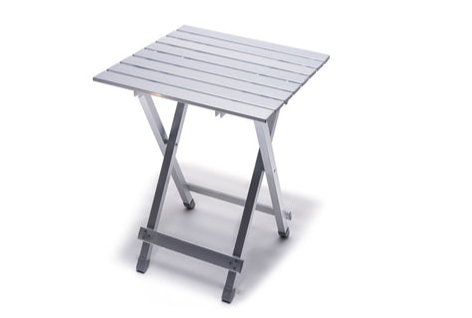
The structural engineering behind these tables reflects their intended purpose. Legs are wider-set for stability, cross-bracing is common on larger models, and the locking mechanisms are built from corrosion-resistant hardware that won’t seize up after a few rainy outings. Many durable waterproof tables also offer adjustable leg heights, which addresses the uneven terrain problem that plagues lighter folding designs.
Benefits of Durable Tables for Outdoor Use
The primary advantage is straightforward: reliability you don’t have to think about. A well-built waterproof table handles a fully loaded spread — cast iron pans, stacked plates, heavy serving bowls — without any flex or concern. For families who picnic every weekend throughout spring and summer, or for groups that host regular outdoor gatherings, this kind of dependable performance pays dividends quickly. The stable, generous surface also creates a more comfortable dining atmosphere, where drinks stay upright, dishes don’t slide, and everyone can lean in without the table shifting underfoot. Resistance to UV exposure, rain, and temperature swings means these tables maintain their appearance and function across multiple years of consistent use.
Drawbacks of Durable Tables
The trade-offs are real and worth acknowledging honestly. Durable waterproof tables are significantly heavier than folding alternatives — many weigh between fifteen and thirty pounds — which makes carrying them any meaningful distance genuinely inconvenient. They also pack down less efficiently, requiring dedicated storage space at home and more room in the vehicle. For picnickers who travel light, hike to their spots, or rely on public transit, these tables simply aren’t practical regardless of how well they perform once deployed. The upfront cost is also higher, which matters if your outdoor dining needs are occasional rather than regular.
Key Factors to Consider When Choosing Your Table
Once you understand what each table type offers, the decision comes down to matching those strengths against your actual picnic habits. Five criteria tend to matter most: portability, durability, setup ease, cost, and intended use. Working through each one honestly will point you toward the right outdoor dining solution faster than any product comparison chart.
Portability is the first filter. If your picnic spots require more than a short walk from a parking area, or if you’re working with limited vehicle space, a folding camping table wins almost automatically. For car-accessible parks and fixed backyard setups, weight becomes far less relevant. Durability follows closely behind — consider how often you picnic and in what conditions. A table used twice a year in mild weather doesn’t need the same construction as one deployed every weekend through rain, heat, and wind. Setup ease matters more than most people anticipate until they’re assembling furniture in fading light with hungry company waiting.
Cost should be viewed as a long-term calculation rather than a sticker price. A cheaper folding table replaced every two seasons can easily exceed the one-time investment in a well-built waterproof model. Finally, think honestly about intended use: solo trips and hiking excursions call for lightweight travel tables, while family gatherings and group events reward the stability and surface space that durable tables provide. The best table isn’t the most expensive or the most portable — it’s the one that disappears into your routine without friction.
Practical Solutions and Recommendations for Picnic Enthusiasts
Translating this comparison into an actual purchase decision starts with one honest question: how do you picnic most often? If the answer involves trails, transit, or spontaneous outings, a compact folding table in the two-to-five pound range gives you the freedom to go anywhere without logistics becoming the main event. Look for models with reinforced locking legs and a surface large enough for your typical group — most solo and couples’ outings are well served by a table in the 24-by-18-inch range, while groups of four benefit from something closer to 48 inches across.
For families or groups who return to the same park or campsite regularly, a durable waterproof table is the smarter long-term investment. Brands focused on outdoor furniture, such as SunnyFeelOutdoor, typically offer models with adjustable leg heights to handle uneven ground and UV-resistant finishes to prevent fading and surface degradation after repeated sun exposure. Wiping the surface down after each outing and storing the table under a cover during off-seasons will extend its lifespan considerably.
If your picnic habits genuinely span both scenarios — weekend hikes and backyard gatherings alike — consider owning one of each. A lightweight folding table handles trail-side lunches, while a robust waterproof table anchors larger events. For maintenance across both types, periodically check locking joints and leg connectors for wear, tighten any loose hardware before each season, and rinse off salt or sand after coastal outings. The right table, properly maintained, stops being something you think about and becomes simply part of how you enjoy being outside.
Folding or Durable: Matching Your Table to Your Outdoor Lifestyle
Choosing between a folding camping table and a durable waterproof table ultimately comes down to understanding your own picnic habits honestly. Folding tables deliver unmatched portability — they’re lightweight, quick to set up, and genuinely liberating for spontaneous outings, hiking trips, and anyone working with limited storage or vehicle space. Durable waterproof tables, by contrast, offer the kind of dependable, weather-resistant performance that frequent outdoor hosts and family picnickers will appreciate across multiple seasons of consistent use.
Neither option is universally superior. The right choice is the one that fits seamlessly into how you actually spend time outdoors. If you picnic occasionally and value flexibility, a compact folding model will serve you well without burdening your routine. If outdoor dining is a regular ritual for your household, investing in a robust waterproof table pays off quickly in stability, longevity, and peace of mind. And if your lifestyle genuinely calls for both, owning one of each is a practical solution rather than an indulgence.
Use the comparisons and criteria in this article as your guide, apply them to your specific scenarios, and you’ll head into your next outdoor meal with a setup that works as hard as you do — leaving you free to focus on the food, the company, and the open air.