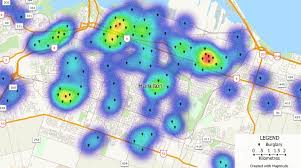
Every community, from busy cities to quiet suburbs, has certain areas where crime tends to cluster. These locations are known as crime hot spots, and understanding them is crucial for improving public safety, supporting law enforcement, and helping residents feel more secure in their neighbourhoods.
In this guide, we break down what crime hot spots are, why they happen, and the strategies that really work to reduce them.
What Are Crime Hot Spots?
A crime hot spot is a geographical area with a consistently higher concentration of criminal activity compared to surrounding locations.
Hot spots can occur in:
- Specific streets or street corners
- Shopping districts
- Transport hubs
- Alleyways or poorly lit areas
- Car parks
- Nightlife zones
- Parks and public spaces
Not all hot spots involve the same type of crime. Some may see more theft, others more anti-social behaviour, while certain areas might experience property damage or vehicle-related crime.
Why Do Crime Hot Spots Form?
Several factors contribute to the formation of hot spots. The most common include:
1. High Foot Traffic
Areas with large crowds offer opportunities for pickpocketing, shoplifting, and opportunistic theft.
2. Poor Lighting or Visibility
Criminals are more likely to target places where they can operate unnoticed.
3. Limited Natural Surveillance
When a location lacks residents, businesses, or security staff who can “keep an eye” on the area, crime increases.
4. Easy Escape Routes
Alleys, side streets, and open transport links can provide quick exits for offenders.
5. High-Density Nightlife
Bars, clubs, and late-night venues often attract disorder, alcohol-related offences, and anti-social behaviour.
6. Socioeconomic Pressures
In some areas, poverty and fewer opportunities can contribute to persistent crime patterns.
How Police Identify Crime Hot Spots
Modern policing relies heavily on data-driven analysis. Police forces use:
- Historical crime reports
- Calls for service
- CCTV footage
- Geographic Information Systems (GIS)
- Predictive crime mapping
This allows officers to pinpoint where crime clusters and deploy targeted resources.
Some forces also work with local councils, businesses, and community groups to get additional insights and on-the-ground intelligence.
Types of Crime Hot Spots
1. Street-Level Hot Spots
A specific block or intersection where repeated offences occur.
2. Business Hot Spots
Retail districts or individual shops with high rates of shoplifting or incidents.
3. Residential Hot Spots
Neighbourhoods or estates with ongoing property damage, break-ins, or anti-social behaviour.
4. Transit Hot Spots
Train stations, bus stops, or taxi ranks that attract pickpocketing or late-night disorder.
5. Vehicle Crime Hot Spots
Car parks and industrial estates where theft-from-vehicle or catalytic converter theft is common.
Why Understanding Crime Hot Spots Matters
Knowing where crime clusters helps communities:
✔ Improve Police Deployment
Rather than spreading resources thinly, officers can focus on the areas most in need.
✔ Strengthen Business Safety
Retailers and commercial districts can take targeted security measures.
✔ Empower Local Residents
People can make informed decisions and work with neighbourhood teams to improve safety.
✔ Support Crime Prevention Initiatives
Councils can invest in lighting, CCTV, environmental improvements, and community programmes.
How Crime Hot Spots Can Be Reduced
Reducing crime hot spots isn’t about heavy-handed enforcement — it’s about smarter community design and preventative action. Effective strategies include:
1. Better Lighting & Environmental Design
Improved visibility reduces opportunities for criminal behaviour.
2. Increased Patrols at Peak Times
Targeted policing is proven to reduce crime without displacing it to nearby areas.
3. Community & Business Partnerships
When businesses and residents share intelligence, prevention becomes much easier.
4. CCTV & Security Enhancements
Monitoring key areas helps deter offenders and supports prosecutions.
5. Youth Outreach & Education
Preventing crime at its roots is just as important as reacting to it.
6. Public Awareness Campaigns
Simple steps like securing bags, marking bikes, or locking vehicles can significantly reduce opportunistic crime.
Final Thoughts
Understanding crime hot spots is one of the most effective ways for communities and law enforcement to work together in reducing crime and improving neighbourhood safety. When data, partnerships, and smart prevention strategies align, even long-standing hot spots can be transformed into safer places for everyone.