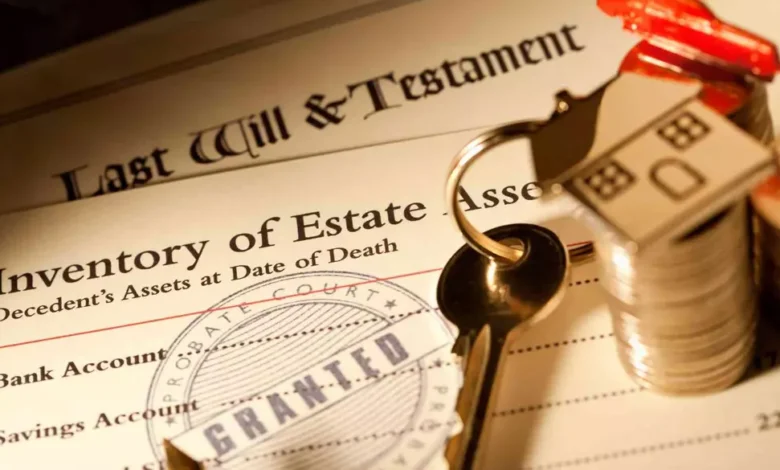
Dealing with the probate process can feel overwhelming, especially if you’re tasked with managing the sale of a property left behind by a loved one. The process can be complicated, and there are many steps involved that can make it difficult to know where to start. However, with the right knowledge and preparation, you can ensure a smooth transition and a successful sale.
Below are eight essential strategies to ensure your probate property sale goes as smoothly as possible, even when unexpected challenges arise.
1. Understand the Legal Framework
Before diving into the sale, it’s crucial to grasp the legal framework surrounding probate. Probate is the court-supervised process of administering a deceased person’s estate, which includes validating the will, settling debts, and distributing assets. If the property is part of the estate, it cannot be sold until probate is granted—unless it’s held in a trust or joint ownership.
Knowing whether you need a Grant of Probate or Letters of Administration (in cases where there’s no will) will determine your timeline. Without this legal authority, you won’t be able to instruct estate agents, accept offers, or complete the sale. So, the first step is always to ensure the legal groundwork is in place.
2. Get a Professional Valuation
A professional valuation is more than just a price tag—it sets the tone for the entire sale. Probate properties often vary in condition, and emotional attachment can cloud judgment. An independent valuation from a qualified surveyor or estate agent ensures transparency and helps avoid disputes among beneficiaries.
This valuation also plays a role in calculating inheritance tax, which must be settled before the sale proceeds. Once you have a realistic market value, you can confidently move forward with listing the property and preparing for the completion of the house sale.
3. Prepare the Property for Market
Probate properties are often older or in need of renovation, which can deter buyers. While you may not want to invest heavily in upgrades, basic improvements—like clearing clutter, deep cleaning, and fixing minor issues—can significantly boost appeal.
If the property has been vacant for a while, ensure utilities are functioning and the home is secure. A well-presented property not only attracts more interest but also helps justify your asking price. Remember, buyers are often cautious with probate sales, so anything that reassures them will work in your favor.
4. Choose the Right Estate Agent
Not all estate agents are created equal—especially when it comes to probate sales. Look for agents with experience in handling probate properties, as they’ll understand the nuances and potential delays involved. They can also advise on pricing strategies, marketing approaches, and how to manage buyer expectations.
A good agent will also help you navigate sensitive conversations with family members and keep the process professional. Their expertise can be the difference between a drawn-out ordeal and a swift, successful transaction.
5. Communicate Clearly with Beneficiaries
Probate sales often involve multiple beneficiaries, each with their own opinions and emotional ties to the property. Miscommunication can lead to disagreements, delays, or even legal challenges. From the outset, establish a clear line of communication and keep everyone informed about progress, offers, and decisions.
Transparency builds trust. Whether you’re the executor or a beneficiary yourself, make sure everyone understands the timeline, the valuation, and the rationale behind key decisions. This helps prevent conflict and ensures the sale moves forward without unnecessary friction.
6. Be Prepared for Delays
Probate sales are rarely quick. Legal paperwork, tax assessments, and family dynamics can all slow things down. Setting realistic expectations from the beginning helps reduce stress and disappointment. If you’re working with a solicitor, ask for a timeline and identify potential bottlenecks early.
Also, be aware that some buyers may be hesitant to commit to a probate property due to the uncertainty. Having all your documents ready—including the Grant of Probate, ID verification, and property details—can help reassure buyers and speed up the process.
7. Have a Backup Plan in Case the Buyer Pulls Out
Even with everything in place, there’s always a risk that the buyer pulled out last minute. Probate properties can be more vulnerable to this scenario, especially if the process drags on or the buyer becomes impatient. To mitigate this, consider having a list of interested parties or backup buyers who can be contacted quickly.
You might also explore selling via auction, which can attract serious buyers and offer a faster route to sale. While auctions come with their own risks, they can be a viable alternative if traditional methods fall through. The key is to stay flexible and proactive—don’t let one setback derail the entire process.
8. Work with a Probate-Savvy Solicitor
Finally, having a solicitor who specializes in probate sales is invaluable. They’ll guide you through the legal maze, ensure compliance with all regulations, and help resolve any disputes that arise. From drafting contracts to liaising with the buyer’s solicitor, their role is central to a smooth transaction.
A probate-savvy solicitor can also advise on tax implications, help with asset distribution, and ensure that all proceeds are handled correctly. Their expertise not only protects you legally but also gives buyers confidence in the sale.
Final Thoughts
Selling a property through probate doesn’t have to be a nightmare. With the right preparation, clear communication, and professional support, you can navigate the process efficiently and respectfully. Whether you’re dealing with a modest family home or a high-value estate, these eight strategies will help you avoid common pitfalls and achieve a successful outcome.
Remember, probate is as much about honoring the past as it is about planning for the future. By approaching the sale with care and diligence, you ensure that the property—and the legacy it represents—is handled with the respect it deserves.