Smart Workspaces: How Hybrid Offices Are Changing Property Demand
Smart Workspaces: How Hybrid Offices Are Changing Property Demand

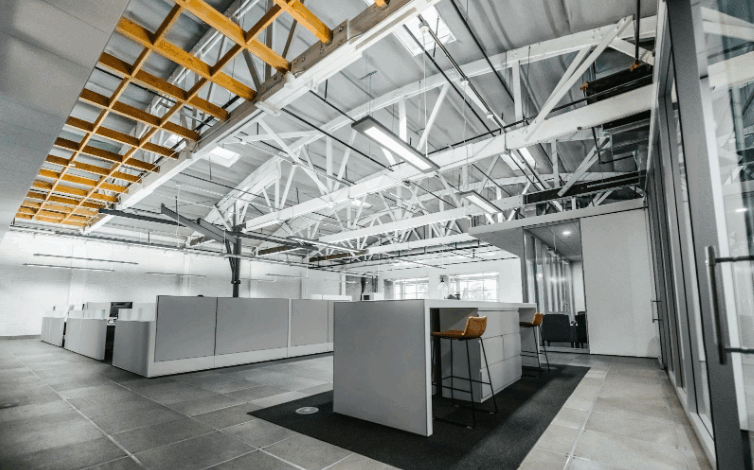
Once considered a stopgap response to a global crisis, hybrid work has matured into a defining feature of modern employment. From startups in Singapore to Fortune 500 companies in Manhattan, businesses are redesigning not only how they work, but where they work. Flexible hours, distributed teams, and the blending of home and office life have reshaped employee expectations, and with them, the global real estate market.
Interestingly, one unsung hero of this transformation is the rise of adaptable, mobile infrastructure. Companies are turning to creative solutions like portable storage, on-demand workstations, and temporary office extensions to support this new fluidity. Brands like Wheekeep are helping bridge the gap between traditional offices and modern workspace needs, providing businesses with flexible, scalable options.
So what exactly is driving the shift in office space demand, and how are smart workspaces redefining commercial property as we know it?
The Hybrid Era: More Than Just a Trend
It started with a necessity, health precautions and lockdowns. But hybrid work turned out to be wildly popular with both employees and employers. According to a Gallup report, more than 50% of remote-capable employees in the U.S. now work in a hybrid arrangement. Similar numbers are mirrored across Europe, the Middle East, and Asia.
Hybrid work enables employees to strike a better work-life balance, reduces burnout, and opens the talent pool for companies far beyond local commuting zones. However, it also introduces a logistical challenge: maintaining productivity without a full-time, in-person team under one roof.
This challenge has brought forth a wave of innovation in the design and utilization of workspaces.
Why Traditional Office Models Are Being Rethought
The old paradigm of 9-to-5 office life in a central, fixed location simply doesn’t align with the flexibility and dynamism of modern business. Leasing a massive office tower may no longer be necessary, or financially wise, if half your workforce is remote three days a week.
This shift in work patterns has sent ripples through the commercial property sector. Businesses are downsizing office footprints, renegotiating lease terms, or opting for short-term rentals rather than long-term commitments.
Enter the Smart Workspace
A smart workspace is less about high-tech gadgets and more about intelligent design. It means creating a physical environment that adapts to changing team needs. That could include modular furniture, hot-desking systems, improved video conferencing setups, and yes, even portable infrastructure for satellite locations.
Consider this: if your company is expanding in a region where you’re not ready to lease a full office, a temporary workspace supported by portable storage and flexible design could be the perfect middle ground.
Government bodies are taking note as well. The U.S. General Services Administration now advises federal agencies to incorporate workplace innovation strategies, including hybrid work and smart workspace design, into their property plans.
How Hybrid Work is Reshaping Urban Planning
Cities are already beginning to adjust to this new reality. Commercial zones that were once bustling during traditional work hours now experience dips in traffic mid-week. Meanwhile, suburban and rural areas are seeing an uptick in co-working spaces and small business hubs.
Smart urban planning now includes adaptive reuse of existing spaces, turning former department stores into innovation centers, or retrofitting parking garages into coworking facilities. The property game isn’t shrinking; it’s evolving.
The Role of Technology and Portability
Technology plays a crucial role, of course. From cloud-based collaboration platforms to advanced booking systems for shared desks, the digital infrastructure is what enables physical flexibility.
But physical flexibility itself often relies on portable solutions: movable walls, modular offices, and portable storage units that can support short-term buildouts or expansions. Portable storage, like the kind provided by Wheekeep, allows companies to react to fluctuating needs, whether it’s storing equipment during an office move or setting up temporary space in a new market.
These setups reduce overhead, increase agility, and allow businesses to trial new regions without major commitments.
Employee Expectations Have Shifted Forever
Another often-overlooked factor in property demand is employee experience. A modern workspace must do more than provide a desk and Wi-Fi. It should inspire creativity, support mental health, and allow for different working styles.
Many companies are now designing office layouts that include quiet zones, collaborative lounges, wellness rooms, and even outdoor workspaces. In hybrid models, the purpose of the office is evolving, from a mandatory daily destination to a dynamic meeting point for innovation and culture-building.
And for that, flexibility is essential.
What This Means for Developers and Investors
Commercial real estate developers and property investors are watching this evolution closely. There’s still demand for office space, but not necessarily in the traditional form. Mixed-use developments, short-term leasing models, and adaptive designs are becoming more desirable.
Future-proofing a building now means including infrastructure for flexible work: high-speed internet, soundproof areas, collaborative zones, and the ability to segment or reconfigure space quickly. Investors who embrace modular and hybrid-friendly designs may find themselves better positioned for long-term success.
The Growing Popularity of Multi-Use Workspaces
Co-working spaces were once seen as the domain of freelancers and startups. Now, they’re part of larger enterprise strategies. Major companies are striking deals with co-working providers to offer employees access to regional workspaces closer to home.
These multi-use work environments offer the perfect testing ground for expansion, making use of temporary structures and portable assets when necessary. With services like Wheekeep providing infrastructure that can scale up or down, businesses are no longer bound by permanent square footage.
Looking Ahead: Fluidity Is the Future
The future of work is fluid. As companies continue to reimagine their operational models, physical workspace must follow suit. Portability, adaptability, and technological integration are no longer perks, they’re prerequisites.
Commercial property isn’t dying; it’s being reborn. In this new world, the smartest spaces aren’t necessarily the most expensive or largest, they’re the ones that can change shape at a moment’s notice.
And whether that means reconfiguring your current office, testing a new market with a portable setup, or embracing a decentralized, employee-first model, one thing is clear: the age of smart workspaces has only just begun.