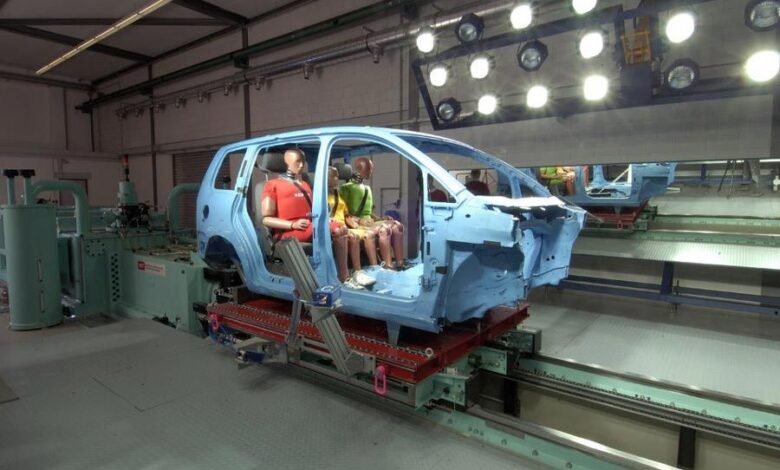
Safety is at the heart of modern vehicle design, and with technology advancing rapidly, manufacturers are turning to crash safety simulation to ensure cars are safer than ever before. Rather than relying solely on physical crash tests, simulation allows engineers to digitally model real-world accident scenarios, offering insights that improve safety, efficiency, and innovation.
1. Improving Passenger Safety
The main purpose of crash safety simulation is to protect people. By digitally recreating collisions, engineers can see how different parts of a vehicle respond under impact. This helps identify weak points, optimise crumple zones, and design safer structures—ultimately reducing the risk of serious injury in real accidents.
2. Reducing Development Costs
Physical crash testing is expensive and time-consuming, often requiring multiple prototypes. With simulation, manufacturers can test a wide range of scenarios virtually before committing to physical models. This reduces the number of prototypes needed and cuts overall development costs without compromising on safety.
3. Faster Innovation and Design
With crash safety simulation, engineers can quickly test different designs, materials, and safety features. Instead of waiting weeks for physical test results, simulations provide instant feedback. This speed allows companies to innovate faster and bring safer vehicles to market more efficiently.
4. Exploring More Complex Scenarios
Physical crash tests are limited by cost and practicality, but simulations can explore a vast range of conditions. From high-speed impacts to side collisions, rollovers, or even pedestrian safety scenarios, digital modelling makes it possible to study situations that would otherwise be too expensive or dangerous to replicate.
5. Supporting Sustainability Goals
By reducing the need for multiple prototypes and extensive testing, crash safety simulation helps lower material waste and energy consumption in the design process. This contributes to more sustainable vehicle development while still prioritising safety.
6. Compliance and Regulation
Vehicle manufacturers must meet strict global safety standards. Simulation allows companies to test against different regional regulations quickly, ensuring compliance in multiple markets without the need for extensive physical trials in every country.