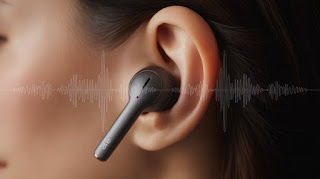
That’s where noise cancelling earbuds quietly earned their place for me. Not as a luxury, not as a tech flex—just as a way to take control of my own space without leaving it.
Noise isn’t the problem—fatigue is
Most people think noise cancellation is about silence. It’s not.
Silence can feel unnatural, even uncomfortable. What wears you down is unfiltered noise—the kind that forces your brain to constantly sort what matters from what doesn’t. Good noise cancelling earbuds don’t erase the world. They soften it.
When low, continuous sounds fade away, everything else feels more manageable. Music sounds clearer at lower volumes. Podcasts feel conversational instead of strained. Even moments without audio feel calmer.
That’s the real benefit.
Why not all noise cancellation feels the same
You can tell a lot about earbuds by how their noise cancellation feels after 30 minutes.
Some create a pressure sensation, like your ears are being gently squeezed. Others reduce noise aggressively but leave voices sounding odd or distant. The best implementations feel almost invisible. You don’t notice the cancellation itself—you notice how relaxed you feel using it.
This is why choosing the best noise cancelling earbuds isn’t about chasing the highest reduction number. It’s about how naturally the system blends with everyday listening.
Fit does more work than marketing admits
Noise cancellation relies on both software and physics.
If earbuds don’t fit properly, even the most advanced ANC struggles. A good seal improves noise reduction, bass response, and overall sound clarity. A poor fit forces the earbuds to work harder, often creating that uncomfortable pressure effect.
Comfort matters here more than people expect. Earbuds that feel fine for ten minutes might become distracting after an hour. The best designs disappear once they’re in, staying secure without feeling tight.
Comfort for long wear isn’t a bonus feature. It’s the foundation.
Using ANC without cranking the volume
One of the biggest advantages of good noise cancellation is that you stop fighting your environment.
Instead of turning volume up to overpower background noise, you listen at more reasonable levels. That’s better for your ears and more pleasant over time. Details come through without effort. Bass feels fuller without being pushed.
This is where sound quality and noise cancellation intersect. Balanced tuning works better with ANC than aggressive, bass-heavy sound. It feels calmer, more sustainable.
The overlooked power of transparency modes
As much as I rely on noise cancellation, I don’t want it on all the time.
Transparency or ambient modes matter because they let you stay aware without pulling earbuds out every few minutes. Hearing a cyclist behind you. Catching your name in a café. Listening for announcements.
The best implementations sound natural, not metallic or processed. They don’t amplify everything—just enough to keep you connected to your surroundings.
That flexibility is what turns noise cancelling earbuds into all-day companions instead of situational tools.
Calls in the real world, not quiet rooms
Calls reveal everything earbuds try to hide.
Wind. Traffic. Background chatter. Poor microphones or unstable connections become obvious fast. Noise cancelling earbuds should help here—not just by reducing what you hear, but by keeping your voice clear for others.
Good call performance feels effortless. You walk, talk, and forget about the tech doing the work. Bad performance turns every call into a self-conscious exercise.
If earbuds are part of your workday, this matters as much as music quality.

Battery life that supports routine, not planning
Battery life discussions often miss the point.
Most people don’t sit and listen for eight straight hours. They dip in and out—commutes, calls, short walks, focus sessions. That makes charging behavior more important than maximum runtime.
A reliable charging case, fast top-ups, and honest battery indicators matter more than headline numbers. You want earbuds that fit into your day without forcing you to manage them.
When battery backup is predictable, earbuds fade into the background. That’s when they’re doing their job.
How noise cancellation changes daily habits
Once you get used to a good ANC, certain habits shift.
You listen at lower volumes. You keep earbuds in longer without fatigue. You’re more willing to put something on—even briefly—because the barrier is gone.
Noise cancelling earbuds don’t just improve audio. They improve transitions: from noisy to calm, from public to personal. That’s subtle, but it adds up.
Choosing based on life, not specs
If you’re deciding what to buy, skip the extremes.
Ask yourself:
- Where am I most bothered by noise?
- How long do I actually wear earbuds at a stretch?
- Do I need to move between quiet and awareness often?
- Do I take calls in unpredictable environments?
Answering those questions honestly gets you closer to the right choice than any ranking list.
The best noise cancelling earbuds aren’t the ones that impress in isolation. They’re the ones that quietly improve your day without asking for attention.
When quiet becomes part of the routine
The goal isn’t isolation. It’s control.
When noise cancelling earbuds work well, they don’t cut you off from the world. They let you decide how much of it you want to hear—and when.
At that point, noise cancellation stops being a feature you think about. It becomes part of how you move through your environment. Calmer. More focused. Less drained.
And once you experience that kind of quiet, it’s hard to go back.


