For decades, live event production has relied on traditional pyrotechnics to deliver those jaw-dropping moments audiences crave. But the reality behind the spectacle has always been fraught with challenges—intense heat radiating toward performers, lingering smoke obscuring lighting designs, toxic fumes compromising air quality, and the ever-present risk of fire in enclosed venues. Insurance costs, permit headaches, and strict venue restrictions have forced countless event organizers to choose between safety and showmanship. That era is rapidly coming to an end. Cold spark technology represents a fundamental paradigm shift in how we create visual drama on stage. These machines produce stunning fountain-like spark effects that remain cool to the touch, generate minimal smoke, and eliminate the fire hazards that have long plagued indoor productions. For event organizers and production managers seeking reliable, breathtaking effects without compromising safety or cleanliness, cold spark machines have become the definitive solution. This technology isn’t merely an alternative to pyrotechnics—it’s actively redefining what’s possible for stage performances across every category of live entertainment.
What is Cold Spark Technology? A Deep Dive into the Science
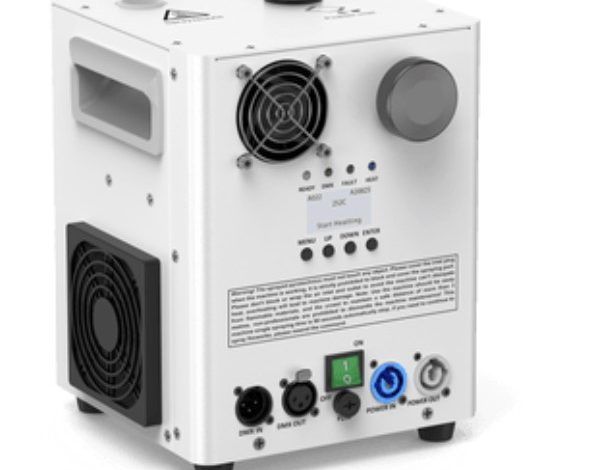
A cold spark machine is a specialized effects device that produces visually spectacular fountain-like sparks without the dangerous heat associated with conventional pyrotechnics. At its core, the technology relies on the controlled combustion of granulated composite metal powder—typically a blend of titanium and zirconium alloy, sometimes referred to as ferrotitanium—inside a precisely engineered heating chamber. The machine feeds this non-toxic powder through an internal mechanism where it’s heated just enough to ignite and project upward, creating brilliant white-gold sparks that cascade through the air in a manner visually indistinguishable from traditional firework effects.
What makes this technology revolutionary is the temperature differential. Traditional pyrotechnic sparks burn at temperatures exceeding 900°C, capable of igniting clothing, hair, and stage materials on contact. Cold spark effects, by contrast, produce particles that cool rapidly upon leaving the machine, typically registering below 60°C within moments of ejection. This dramatic reduction occurs because the composite powder is designed to combust quickly and dissipate thermal energy almost instantly as particles travel through air. The sparks you see are visually intense but thermally negligible—performers can stand directly within the effect without risk of burns. Additionally, the combustion process generates remarkably low smoke output compared to traditional pyro, producing no sulfurous compounds or toxic byproducts. This essentially creates what many in the industry now call eco-friendly sparklers: all the visual drama with none of the environmental or health compromises that have historically accompanied spectacular stage effects.
Key Benefits for Event Organizers: Safety, Cleanliness, and Versatility
Understanding the science behind cold spark technology is valuable, but what truly matters to event organizers and production managers is how these benefits translate into practical advantages on the ground. The technology directly addresses the three most persistent pain points in live event production: safety liability, venue cleanliness requirements, and creative limitations imposed by traditional pyrotechnic restrictions.
Unmatched Safety for Indoor Use
Cold spark effects have fundamentally changed the conversation around indoor pyrotechnic-style effects. Because the sparks cool to non-ignition temperatures almost immediately after ejection, there’s no open flame risk and no possibility of igniting nearby fabrics, set pieces, or performer costumes. This characteristic makes cold spark machines compliant with the vast majority of indoor venue safety regulations that would categorically prohibit traditional pyrotechnics. Venues that previously required expensive fire marshals, extensive insurance riders, and weeks of permit applications now often approve cold spark effects with minimal paperwork. The reduced liability exposure means lower insurance premiums for production companies and fewer last-minute cancellations due to safety concerns. For event organizers working in hotels, convention centers, and historic buildings where fire suppression systems are sensitive and irreplaceable materials are present, cold spark technology provides the visual spectacle their clients demand without the sleepless nights.
Minimal Smoke and Odor: A Clean Production
One of the most underappreciated advantages of cold spark machines is their remarkably low smoke output. Traditional pyrotechnics generate thick plumes that linger in enclosed spaces, coating expensive lighting fixtures with residue, interfering with laser effects, and degrading air quality for both performers and audiences. Cold spark effects produce only trace amounts of particulate that dissipate within seconds and leave virtually no residue on surrounding equipment or surfaces. This means lighting designers maintain full visibility of their carefully programmed looks, sound engineers don’t worry about particulate infiltrating sensitive gear, and venue managers aren’t presenting cleanup bills after the event. Equally important, cold spark combustion doesn’t trigger standard smoke detection systems when machines are positioned correctly, eliminating the need for costly detector isolation procedures. The absence of sulfurous or chemical odors means guests leave remembering the spectacle rather than an unpleasant smell clinging to their clothing.
Enhanced Creative Versatility
When safety and cleanliness constraints disappear, creative possibilities multiply dramatically. Production designers can position cold spark machines mere feet from performers, creating intimate moments where artists emerge through cascading sparks. Effects can be deployed in confined backstage areas, narrow runways, or low-ceiling venues that would never accommodate traditional pyro. Cold spark fountains integrate seamlessly alongside fog machines, LED screens, and moving lights without degrading other production elements, giving designers a complete creative palette rather than forcing compromises between competing effects.
Applications in Modern Stage Performances and Events
Cold spark technology has rapidly moved beyond niche novelty status to become a staple across virtually every category of live entertainment. In concert touring, production teams deploy banks of cold spark machines to punctuate grand finales with towering fountains of light, or create dramatic artist walk-on moments where performers stride through shimmering curtains of sparks just feet away—something unthinkable with traditional pyro. Wedding reception planners have embraced the technology with particular enthusiasm, using cold spark effects to frame first dances with golden cascades, line the path for grand entrances, or add cinematic drama to cake-cutting moments in ballrooms where open flames would never be permitted.
Corporate events and product launches leverage cold spark machines to elevate reveal moments, transforming routine curtain drops into memorable spectacles that reinforce brand impact. Theater productions incorporate the effects for supernatural scenes, magical transformations, and climactic battle sequences in intimate venues where audience proximity makes traditional stage performances with pyrotechnics impossible. Fashion shows have adopted cold spark fountains to create dramatic runway moments, with models walking through spark corridors that photograph brilliantly without posing any risk to delicate garments. In each application, the technology delivers the emotional punch of fire-based effects while respecting the practical constraints that define modern event production.
Implementing Cold Spark Effects: A Practical Guide for Production Managers
Moving from concept to execution requires methodical planning. For production managers ready to incorporate cold spark effects into their shows, the following framework covers equipment selection, safety protocols, and seamless integration with existing production infrastructure.
Step 1: Choosing the Right Cold Spark Machine
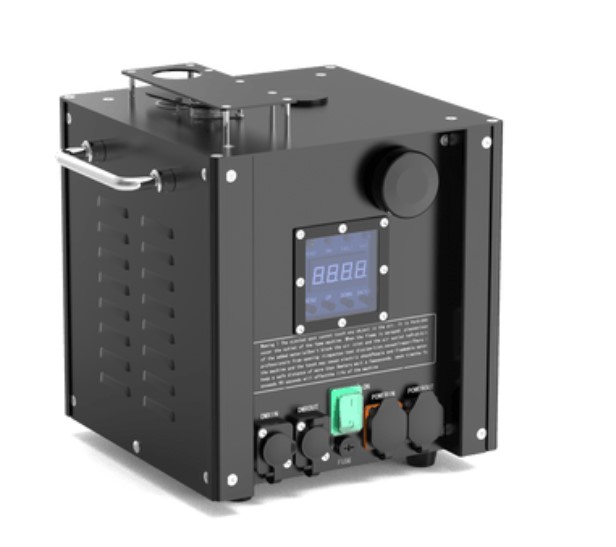
Selecting the appropriate machine starts with understanding your specific production requirements. Throw height matters most—some machines project sparks two meters while others reach five or more, so match this to your venue’s ceiling clearance and desired visual scale. Evaluate spark duration per load, as shorter bursts suit punctuated cue moments while longer burns work for sustained atmospheric effects. Control interface is critical for professional integration: prioritize machines offering DMX-512 compatibility for console-driven programming, though wireless remote options provide flexibility for simpler productions. Manufacturers like UKING offer cold spark machines with DMX control and adjustable height settings that suit a range of production scales. Assess powder hopper capacity relative to your show’s demands—running out mid-performance is unacceptable. Finally, prioritize machines with proven reliability records and consistent low smoke output, since inconsistent combustion creates unpredictable visual results and potential smoke detector issues that undermine the technology’s core advantages.
Step 2: Planning and Safety for Your Event
Begin by securing written venue approval, providing the venue manager with technical specifications confirming the low-temperature, low-smoke characteristics of your equipment. During site surveys, measure ceiling heights above planned machine positions—maintain minimum clearance of at least one meter between maximum spark height and overhead structures including sprinkler heads, fabric draping, and rigging. Identify all combustible materials within a two-meter radius and either relocate them or choose alternative machine positions. Establish a clear safety perimeter using floor markings during rehearsal, ensuring performers understand their movement boundaries relative to active machines. Designate a trained operator responsible solely for monitoring effects throughout the show, even when machines run on programmed cues. Communicate your full effects plan with venue fire safety officers in advance, and conduct a test fire during load-in to confirm no unintended interactions with the building’s detection systems.
Step 3: Operation and Cue Integration
During setup, assign each machine a unique DMX address and patch these into your lighting console alongside your fixture library. Program spark cues within your master cue stack, timing ignition to musical hits, performer movements, or scenic transitions for maximum emotional impact. Build in brief pre-heat commands where your machine model requires them, and always program a master kill channel accessible instantly. Run full technical rehearsals with effects active so performers, camera operators, and lighting designers can adjust their timing and positions accordingly.
The Eco-Friendly Advantage: Comparing Cold Sparks to Traditional Pyro
As the event industry increasingly embraces sustainability, cold spark machines align perfectly with the growing demand for environmentally responsible production choices. Traditional pyrotechnics leave behind substantial chemical residue—potassium perchlorate, sulfur compounds, and heavy metal particulates that contaminate surfaces, pollute indoor air, and require hazardous material cleanup procedures. Cold spark effects, functioning essentially as eco-friendly sparklers, produce only minimal titanium particulate that settles as a fine, non-toxic dust easily swept or vacuumed without specialized disposal protocols. The air quality difference is equally stark: conventional pyro releases sulfur dioxide and other irritants that linger for hours in enclosed spaces, while cold spark combustion generates negligible airborne pollutants and maintains breathable conditions throughout a performance. The low smoke characteristic means HVAC systems aren’t overwhelmed filtering toxic haze, reducing energy consumption and extending filter life. For production companies building sustainability into their brand identity, cold spark technology offers a tangible, measurable reduction in environmental impact without sacrificing any visual intensity—proving that spectacular effects and ecological responsibility can coexist on the same stage.
Cold Spark Technology as the New Standard for Live Event Production
Cold spark technology has fundamentally resolved the long-standing tension between visual spectacle and practical responsibility in live event production. By delivering the emotional impact of traditional pyrotechnics without the heat, fire risk, toxic residue, or suffocating smoke, these machines have removed the barriers that once forced event organizers to compromise between what audiences wanted to see and what venues could safely accommodate. The technology’s low smoke output and non-toxic combustion process mean that indoor spaces of virtually any size—from intimate ballrooms to grand theaters—can now host effects that were previously reserved for large outdoor productions with extensive safety infrastructure. As a creative tool for modern stage performances, cold spark machines offer production designers unprecedented freedom to integrate spectacular fountain effects into moments of genuine artistic intimacy, placing performers within the effect rather than safely distant from it. Looking ahead, the trajectory is clear: as sustainability standards tighten and audience expectations continue rising, cold spark technology is rapidly establishing itself not as an alternative to traditional pyrotechnics but as the new industry standard for responsible, breathtaking special effects across every category of live entertainment.