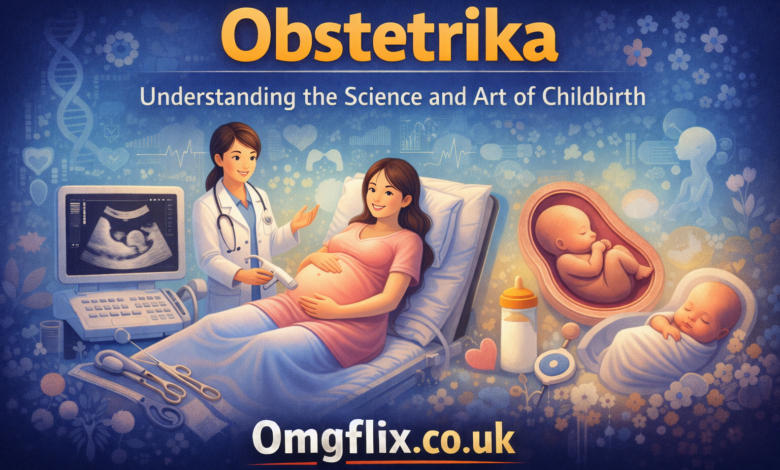
Obstetrika is a term commonly used in many European and Central Asian languages to refer to obstetrics, the branch of medicine dedicated to pregnancy, childbirth, and the postpartum period. While the word may sound unfamiliar to English-only readers, obstetrika represents one of the most essential and life-affirming medical disciplines in the world. It combines science, clinical skill, emotional intelligence, and ethical responsibility to ensure the health and safety of both mother and child.
This article explores obstetrika in depth—its meaning, history, scope, modern practices, challenges, and its critical role in global healthcare.
What Is Obstetrika?
Obstetrika focuses on the care of women during pregnancy (antenatal care), labor and delivery (intrapartum care), and the weeks following childbirth (postnatal care). Professionals working in obstetrika are responsible not only for delivering babies but also for monitoring fetal development, managing pregnancy-related conditions, and preventing complications that could threaten maternal or neonatal health.
Obstetrika often overlaps with gynecology, which deals with the female reproductive system outside of pregnancy. In many countries, these fields are combined into a single specialty known as obstetrics and gynecology (OB-GYN).
Historical Development of Obstetrika
The roots of obstetrika stretch back thousands of years. Early childbirth assistance was primarily handled by midwives, relying on traditional knowledge passed down through generations. Ancient Egyptian, Greek, and Roman texts include references to labor positions, birthing tools, and maternal care.
However, obstetrika as a scientific discipline began to take shape in the 18th and 19th centuries, when medical schools in Europe formalized childbirth education. Advances such as antiseptic techniques, anesthesia, and later antibiotics dramatically reduced maternal and infant mortality rates.
In the 20th century, obstetrika evolved rapidly with the introduction of:
-
Ultrasound imaging
-
Fetal heart monitoring
-
Cesarean section safety improvements
-
Prenatal screening and genetic testing
Today, obstetrika is a highly specialized, evidence-based field supported by advanced technology and global research.
Key Areas of Obstetrika
Obstetrika is not limited to delivery alone. It encompasses several critical stages and responsibilities:
1. Antenatal (Prenatal) Care
This includes regular checkups, nutritional guidance, ultrasounds, blood tests, and risk assessment. Obstetrika professionals monitor fetal growth, detect abnormalities early, and manage conditions such as gestational diabetes or preeclampsia.
2. Labor and Delivery
One of the most visible aspects of obstetrika is managing childbirth. This involves:
-
Monitoring contractions and fetal heart rate
-
Pain management (natural methods or epidural anesthesia)
-
Vaginal delivery assistance
-
Performing cesarean sections when necessary
Quick decision-making during labor can be life-saving, making obstetrika both high-pressure and highly rewarding.
3. Postnatal Care
After childbirth, obstetrika continues to play a vital role. Mothers are monitored for bleeding, infection, and emotional well-being, while newborns are assessed for breathing, feeding, and early development.
Modern Technology in Obstetrika
Modern obstetrika is deeply influenced by technology. Some of the most impactful tools include:
-
Ultrasound and Doppler imaging for fetal health monitoring
-
Electronic fetal monitoring (EFM) during labor
-
Minimally invasive surgical techniques for cesarean delivery
-
Telemedicine, enabling remote prenatal consultations
Artificial intelligence and data analytics are also beginning to assist obstetrika by predicting risks and improving early diagnosis of complications.
The Role of Obstetrika in Women’s Health
Beyond childbirth, obstetrika plays a crucial role in empowering women through education and preventive care. Counseling on family planning, nutrition, mental health, and breastfeeding helps improve long-term outcomes for mothers and children alike.
In many parts of the world, access to quality obstetrika can mean the difference between life and death. According to global health organizations, skilled obstetric care significantly reduces maternal mortality, especially in low-resource settings.
Challenges Facing Obstetrika Today
Despite its progress, obstetrika faces several challenges:
-
Shortage of trained professionals in rural and developing areas
-
Rising cesarean section rates, sometimes without medical necessity
-
Legal and ethical pressures, including malpractice concerns
-
Maternal mental health issues, such as postpartum depression
Addressing these challenges requires continued investment in education, healthcare infrastructure, and patient-centered policies.
Obstetrika as Both Science and Compassion
What makes obstetrika unique is its blend of clinical precision and human empathy. Obstetricians and midwives often support families during some of the most emotional moments of their lives. Cultural sensitivity, clear communication, and emotional reassurance are just as important as medical expertise.
This human aspect distinguishes obstetrika from many other medical specialties and reinforces its profound social importance.
The Future of Obstetrika
Obstetrika is expected to become more personalized and preventive. Genetic screening, precision medicine, and AI-assisted diagnostics will likely transform prenatal care. At the same time, there is a growing movement to balance technology with natural, respectful childbirth practices.
The future of obstetrika lies in integrating innovation with compassion—ensuring safe births while honoring the physical and emotional needs of mothers.
Read More: DGH A: Meaning, Interpretations, and Growing Digital Curiosity
Conclusion
Obstetrika is far more than the medical management of childbirth. It is a comprehensive discipline that safeguards life at its very beginning. From ancient midwifery traditions to cutting-edge medical technology, obstetrika has continuously evolved to meet humanity’s most fundamental need: safe and healthy birth.
As healthcare systems advance, the importance of obstetrika will only grow, shaping healthier generations and stronger communities worldwide.