A family hub serves as the command center of your household, bringing together everyone’s schedules, messages, and important information in one accessible place. In today’s busy world where family members juggle work, school, activities, and social commitments, having a centralized system prevents missed appointments, confusion, and communication breakdowns that can create unnecessary stress.
The right family hub solution transforms how households operate by replacing scattered sticky notes, multiple calendars, and endless text message threads with a streamlined system everyone can access. Whether it’s coordinating who picks up the kids, remembering doctor appointments, or sharing grocery lists, a well-designed hub keeps everyone on the same page.
Privacy protection stands as a cornerstone of any quality family hub system. Since these platforms handle sensitive information like medical appointments, financial reminders, and children’s schedules, robust security features ensure your family’s private matters stay protected from unauthorized access while remaining easily accessible to household members who need them.
The Importance of a Family Hub
Modern families face unprecedented scheduling complexity as parents balance careers with children’s activities, medical appointments, and household responsibilities. Without a unified system, important details slip through the cracks—permission slips go unsigned, anniversary dinners get forgotten, and family members show up at empty houses wondering where everyone went. A family hub eliminates this chaos by creating a single source of truth that everyone can reference before making plans or commitments.

The mental load of managing a household traditionally falls disproportionately on one person who becomes the keeper of all schedules and information. A properly implemented family hub distributes this responsibility across all capable household members, reducing burnout and fostering shared accountability. When everyone can see what needs doing and who’s responsible, families function more smoothly with less nagging and fewer misunderstandings.
Beyond practical coordination, family hubs strengthen relationships by improving communication quality. Instead of reactive crisis management where families only connect when problems arise, these systems enable proactive planning that creates space for quality time together. Families can identify scheduling conflicts before they become arguments and spot opportunities for shared meals or activities that might otherwise get overlooked in the daily rush.
Top Features of a Family Hub
A centralized communication platform forms the foundation of any effective family hub, replacing fragmented text threads and verbal messages that get forgotten. This unified space allows family members to share updates, ask questions, and coordinate plans without information getting lost across multiple apps or platforms. The best systems integrate messaging with other features so conversations about upcoming events link directly to calendar entries, and grocery list discussions connect to shared shopping tools.
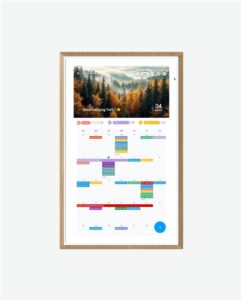
Digital wall calendars transform family scheduling by making everyone’s commitments visible at a glance. Unlike traditional paper calendars that only one person can update, digital versions sync across devices so schedule changes made by anyone appear instantly for everyone. Color-coding distinguishes individual family members’ activities while shared events stand out, helping families quickly identify conflicts and spot free time for activities together.
Privacy features protect sensitive family information while maintaining accessibility for household members. Robust systems allow parents to control what children can view or edit, restrict access to financial information or medical details, and ensure that family data remains secure from outside threats. The most effective privacy controls work invisibly in the background, providing protection without creating frustrating barriers that discourage family members from actually using the system. Customizable permissions mean each family can tailor access levels to match their children’s ages and maturity levels.
Digital Wall Calendars
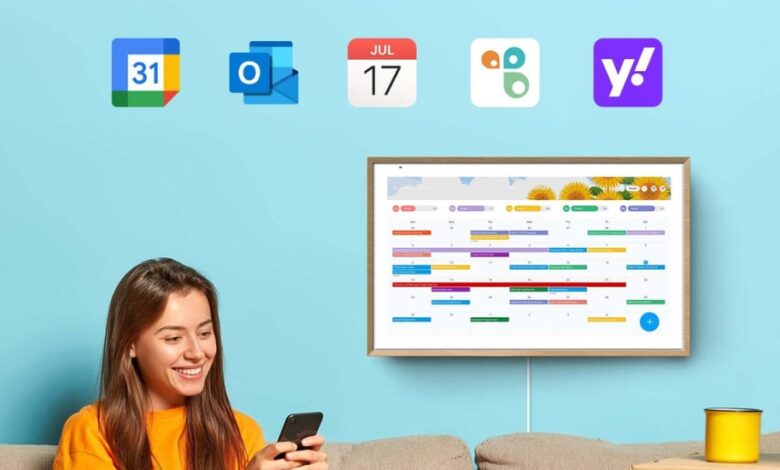
Digital wall calendars revolutionize household coordination by displaying everyone’s schedules in a centralized location that’s always current and accessible. Unlike phone calendars that require unlocking devices and opening apps, a wall-mounted display provides instant visibility as family members pass through common areas like kitchens or hallways. This passive awareness helps everyone internalize upcoming commitments without actively checking schedules, reducing the “I forgot” excuses that plague busy households.

The synchronization capability of digital wall calendars ensures that schedule updates propagate instantly across all family devices. When a soccer practice gets cancelled, one person’s update immediately reflects on the wall display, parents’ phones, and other family members’ devices. This real-time coordination prevents the confusion that arises when different family members work from outdated information, eliminating scenarios where parents show up to cancelled events or miss rescheduled appointments. Solutions like ApoloSign offer this type of synchronized display functionality, allowing families to maintain coordinated schedules across multiple touchpoints throughout the home.
Smart reminder systems built into digital calendars provide proactive notifications tailored to each family member’s needs. A teenager might receive a phone alert thirty minutes before needing to leave for practice, while parents get evening reminders about tomorrow’s early appointments. These automated prompts reduce the mental burden of constantly tracking what comes next and minimize the nagging required to keep everyone on schedule.
Privacy Features in Family Hubs
Encrypted communications protect family conversations and shared information from unauthorized access, ensuring that sensitive discussions about medical issues, financial matters, or personal concerns remain confidential. End-to-end encryption means that messages and data remain scrambled during transmission and storage, readable only by family members with proper access credentials. This security layer becomes particularly important when families share information like bank account details for bill payments, social security numbers for school forms, or private health information about family members’ conditions.
User-friendly privacy controls allow parents to manage what information each family member can access without requiring technical expertise. Intuitive interfaces let you set age-appropriate restrictions with simple toggles—giving teenagers access to their own schedules and family meal plans while restricting financial information or adult medical appointments. The best systems offer granular control that grows with your family, allowing you to gradually expand children’s access as they mature without completely rebuilding your privacy settings. Quick adjustments mean you can temporarily share specific information, like giving a teenager access to a credit card number for an approved online purchase, then immediately revoke that access.
Data backup and recovery options safeguard years of family history, appointments, and shared memories against device failures or accidental deletions. Automatic cloud backups preserve your family’s organizational system without requiring manual intervention, while recovery tools let you restore accidentally deleted events or retrieve old information when needed. These features prove invaluable when switching devices or recovering from technical problems, ensuring that your family hub remains reliable even when hardware fails or software needs updating.
How to Choose the Right Family Hub
Evaluating key features starts with identifying your family’s specific needs rather than chasing every available function. Consider how many family members will use the system, what types of coordination cause the most friction currently, and which devices everyone already owns. A family struggling with meal planning needs robust shared shopping lists and recipe features, while households with complex activity schedules prioritize calendar functionality and location-based reminders. Test whether the interface feels intuitive during trial periods—if family members resist using it because navigation feels clunky, even the most feature-rich system will fail.
Checking user reviews from families similar to yours reveals real-world performance beyond marketing promises. Look specifically for feedback from households matching your size and tech comfort level, paying attention to comments about reliability, customer support responsiveness, and how well the system scales as children age. Reviews mentioning frequent crashes, sync failures, or abandoned features signal potential frustrations, while consistent praise for specific functions indicates genuine value.
Budget considerations extend beyond initial purchase costs to include subscription fees, required hardware upgrades, and compatibility with devices you already own. A system requiring expensive tablets for every family member might cost significantly more than advertised, while solutions working with existing smartphones and computers offer better value. Verify compatibility with your household’s mix of Android and iOS devices, existing smart home systems, and preferred apps before committing, ensuring the hub integrates smoothly rather than creating another isolated platform that complicates rather than simplifies family life.
Creating Your Family’s Command Center
A well-chosen family hub transforms household chaos into coordinated efficiency, replacing scattered information and missed communications with a centralized system that keeps everyone informed and accountable. The most effective solutions combine essential features like synchronized calendars, unified messaging platforms, and robust privacy controls that protect sensitive family information while remaining accessible to those who need it. These tools don’t just organize schedules—they reduce stress, distribute mental load more equitably, and create space for families to focus on connection rather than constant crisis management.
Investing in a reliable work planner pays dividends in reduced conflicts, fewer missed commitments, and improved household harmony. Take time to evaluate options based on your family’s specific needs, existing devices, and budget constraints rather than chasing unnecessary features. The right system will feel intuitive enough that everyone actually uses it, transforming your family’s daily operations from reactive scrambling to proactive planning that makes room for what truly matters.