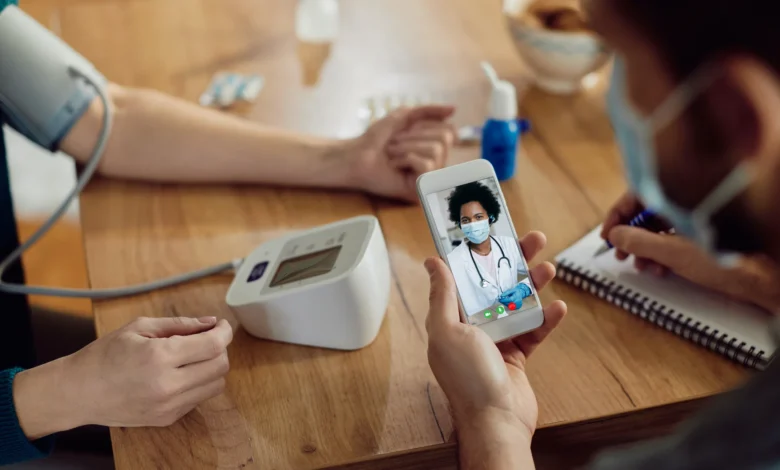
Are you thinking about launching a virtual healthcare platform? That’s a powerful idea in today’s world. However, before you begin building, it’s essential to master your budget. Understanding how to build a telemedicine platform isn’t just about the tech; it’s deeply tied to the financial roadmap. Without precise planning, even brilliant concepts can quickly unravel due to unforeseen expenses. The cost of telemedicine app development isn’t a fixed figure; it’s a dynamic sum influenced by every decision you make. This guide will give you a clear, step-by-step breakdown to navigate these financial waters.
Define Your App’s Scope and Must-Have Features
Your first step is to define precisely what your app will do. Think of it as drawing the blueprint for your digital clinic. What are the absolute core features? Will it offer video calls, secure chat, or integrate with electronic health records (EHR)? Features like appointment scheduling, payment processing, or e-prescribing each add to the complexity and, by extension, the cost of telemedicine app. Prioritize ruthlessly for your Minimum Viable Product (MVP); what’s essential for launch, and what can wait for later phases? This initial clarity is key to controlling your telehealth app development cost.
Choose the Right Platform and Tech Stack
Your technical foundation has a significant impact on your budget. Will you develop separate native apps for iOS and Android, offering peak performance but potentially higher upfront costs? Or will you opt for cross-platform frameworks like React Native or Flutter, which can save time and money by building a single app for both platforms? Beyond the user interface, consider your backend technologies. Robust solutions, such as Node.js or scalable cloud services like AWS, all have different cost implications. These choices dictate not only your initial spending but also your app’s future scalability and development timeline.
Decide on the Development Model
Who builds your app drastically affects the “how much.” You can choose an in-house team for maximum control (but higher overheads), freelancers for flexibility (requiring more management), or outsourcing to agencies. Hourly rates vary dramatically by region: US developers might charge $100-$250+, while Eastern European teams charge $40-$100, and Asian teams charge $20-$60. Your choice here has a profound influence on the overall cost of telemedicine app development.
Consider Compliance and Security Expenses
In healthcare, data privacy is non-negotiable. Budgeting for compliance with regulations such as HIPAA (US) and GDPR (Europe) is crucial. This includes costs for secure data storage, encryption, multi-factor authentication, and ongoing security audits. Neglecting these areas can lead to substantial fines and reputational damage, making compliance costs a crucial component of the overall cost of implementing a telemedicine application.
Plan for Ongoing Maintenance and Support
Don’t let your budget stop at launch. An app is a living product. You’ll need funds for ongoing updates (OS, APIs), bug fixes, server costs that scale with user growth, and potential infrastructure scaling. A common estimate is to allocate 15-25% of your initial development cost annually for maintenance. Skipping this can lead to a stagnant, buggy, and ultimately abandoned app.
Include Hidden and Indirect Costs
Beyond core development, several often-overlooked expenses can eat into your budget. These include app store fees (Apple, Google Play), cloud hosting charges, API usage fees (for video calls, such as Twilio, and payments, like Stripe), legal services for policies, and crucial marketing and user acquisition costs. Don’t forget to account for expenses related to creating user guides and onboarding documentation. These “hidden” costs can significantly inflate your total.
Smart Ways to Optimize Your Budget
To navigate the financial landscape of telemedicine app development efficiently, consider these actionable tips:
- Start with an MVP: Launch a Minimum Viable Product focusing only on core features to test the market and gather feedback before investing heavily.
- Use open-source tools: Leverage robust open-source libraries and frameworks to reduce licensing fees and development time.
- Opt for cross-platform frameworks: Building once for both iOS and Android using tools like React Native or Flutter can significantly cut development costs.
- Outsource to trusted offshore teams: Explore outsourcing to regions with competitive hourly rates, ensuring due diligence and clear communication.
- Limit feature creep: Discipline your scope. Every “just one more feature” request, however small, adds to both development time and budget.
Budget Estimation Tools and Tracking Methods
Don’t guess; estimate! Utilize tools like spreadsheets (Excel, Notion) or dedicated budgeting apps for initial forecasts. Crucially, continuously track your actual spending against your estimates. Implement milestone budgeting, tying payments to project achievements. In agile development, regularly revisit and refine your estimates. This vigilance helps you identify potential overruns early, allowing proactive adjustments.
Conclusion
Embarking on telemedicine app development is a transformative journey, and an innovative, phased approach to budgeting is your compass. It’s not just about getting a rough idea of the cost of telemedicine app development; it’s about meticulously planning every detail. Detailed planning, realistic estimates, and diligent cost control throughout your project’s lifecycle are paramount. This strategic financial foresight ensures your innovative vision thrives, transforming your cost of telehealth app development into a successful and impactful investment in digital healthcare.