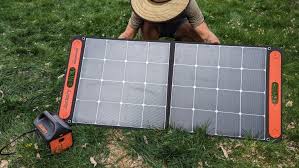
There’s something incredibly freeing about unplugging from the grid, camping in the wild, traveling in a van, or simply sitting under the open sky. But let’s be honest: we still want our phones charged, our lights working, and maybe even a little power for a laptop or mini fridge. That’s where portable solar panels come in. They’ve quietly become a must-have for outdoor enthusiasts, digital nomads, and anyone who wants to stay powered without relying on traditional electricity.
So, what exactly are portable solar panels?
At their core, portable solar panels are lightweight, compact devices designed to collect sunlight and convert it into usable electricity. Unlike the big, fixed panels you see on rooftops, these are designed to fold up, carry with you, and use just about anywhere there’s sunlight. Some even come with built-in USB ports, allowing you to charge your phone directly.
They’re essentially mini solar power stations, just smaller, lighter, and way more convenient.
Why people are turning to solar on the go
Let’s face it: carrying around extra batteries or gas-powered generators isn’t always practical. Gas generators are noisy, heavy, and not eco-friendly. Extra batteries eventually run out. But the sun? It’s free, it’s reliable (most of the time), and it doesn’t run out.
Here are some of the biggest reasons people are loving portable solar panels:
1. Off-Grid freedom
With a good set of panels, you can travel deep into the backcountry or spend days off-grid without worrying about losing power. As long as you’ve got sunlight, you’re good to go.
2. Eco-Friendly energy
Portable solar panels give you clean energy with zero emissions. You don’t have to feel guilty about running a generator or using disposable batteries. It’s a great way to reduce your environmental footprint.
3. Cost savings over time
Sure, there’s an upfront cost. But once you buy a panel, there are no fuel expenses or utility bills. Over time, especially if you use them frequently, portable solar panels pay for themselves.
4. Emergency backup
During power outages, storms, or emergencies, having a solar panel can mean the difference between staying connected and being completely in the dark. They’re a smart addition to any emergency kit.
Where people are using them
Portable solar panels aren’t just for hardcore adventurers. People use them in all sorts of ways:
- Campers & hikers: Charge phones, GPS devices, or lights in remote areas.
- Vanlifers & rvers: Keep fridges, fans, or laptops running on long trips.
- Sailors: Power navigation tools or radios on the water.
- Backyard use: Set one up at home to charge your phone or run garden lights.
- Preppers & emergency planners: Store them for storm season or blackout events.
What to look for before buying
Not all portable solar panels are created equal. Depending on your needs, here are a few things to consider before buying:
1. Wattage
How much power do you need? Small panels (10- 40W) are good for phones and small gadgets. Larger panels (100W and up) can charge power stations and even run small appliances.
2. Size and portability
If you’re hiking or backpacking, weight matters. Go for foldable or ultra-light options. If you’re setting up in a vehicle or RV, you might be able to go a bit larger.
3. Durability
Your panel is going to face the elements. Look for weather-resistant materials, strong connectors, and solid construction that can handle dust, rain, and the occasional drop.
4. Compatibility
Make sure the panel works with your gear. If you’re using a power station or battery pack, check the input specs. Some panels come with multiple adapters and USB ports, which can be helpful.
5. Ease of use
The best portable solar panels are plug-and-play. You don’t want to spend your afternoon fumbling with cables or figuring out angles. Many panels now include stands to prop them up at the right angle for maximum sunlight.
Maintenance tips (So they last longer)
The good news is that portable solar panels are low-maintenance. Still, a little care goes a long way:
- Wipe them down regularly: Dust and dirt reduce efficiency.
- Keep them dry when not in use: Most are water-resistant, but storing them in a dry place extends their lifespan.
- Don’t leave them in extreme heat: Prolonged exposure to hot car interiors or direct sun when not charging can damage them.
- Check the cables: Loose or frayed wires can affect performance.
Final thoughts: Is it worth it?
Absolutely. Portable solar panels are one of those tools you don’t realize you need until you’ve got them, and then you marvel at how you ever went without them. They bring flexibility, sustainability, and peace of mind to nearly any situation. Whether you’re hitting the street, trekking into the wild, or just need to be prepared for the unexpected, they provide a reliable supply of power while it topics maximum.