Imagine sitting in a high-stakes negotiation with partners from Tokyo, Berlin, and São Paulo, yet catching only fragments of what’s being said. Language barriers remain one of the most persistent frustrations in global business, costing companies billions annually in miscommunication, delayed deals, and fractured relationships. While interpreters and translation apps have offered partial relief, they often disrupt the natural flow of conversation. Now, a surprising convergence of technologies is changing the game entirely. Bluetooth hearing aids, once designed primarily for those with hearing loss, are evolving into sophisticated communication devices capable of integrating AI-powered translation directly into the ear. This means real-time, seamless conversations across languages without the awkward pauses of traditional interpretation. For business professionals navigating multinational teams and cross-border partnerships, this fusion of assistive technology and artificial intelligence represents more than incremental improvement—it’s a fundamental shift in how international meetings can function, making truly barrier-free communication an achievable reality rather than a distant aspiration.
The Growing Need for Seamless Conversations in Global Business
International business meetings have surged in frequency over the past decade, driven by remote work adoption, expanding supply chains, and the globalization of talent pools. Companies of all sizes now routinely engage with partners, clients, and team members scattered across multiple continents and time zones. Yet this interconnectedness has amplified a persistent challenge: the language barrier. When a product manager in Seoul needs to align with engineers in Munich and a marketing team in Mexico City, even minor misunderstandings can cascade into costly project delays, contract disputes, or damaged trust. Studies consistently show that miscommunication in multilingual settings reduces collaboration efficiency by significant margins, with professionals reporting that they hold back ideas or avoid contributing when they lack confidence in cross-language comprehension. For business professionals managing multinational teams, the stakes are especially high—every misinterpreted nuance in a negotiation or unclear directive in a strategy session can erode competitive advantage. Traditional solutions like hiring interpreters or relying on participants’ varying English proficiency introduce friction, slow momentum, and rarely capture the subtlety of natural dialogue. The demand for technology that enables fluid, barrier-free communication has never been greater, and the professionals who solve this challenge first stand to gain a decisive edge in global markets.
Understanding Bluetooth Hearing Aids: More Than Just Amplification
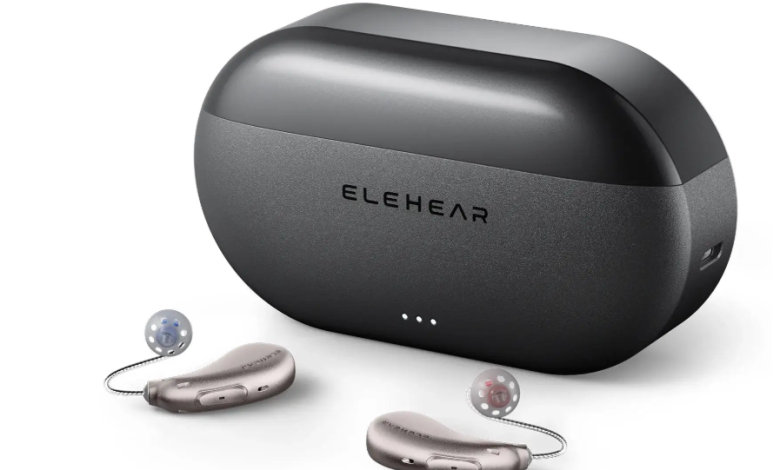
Bluetooth hearing aids represent a fundamental departure from the devices most people picture when they think of hearing assistance. While traditional hearing aids simply amplify surrounding sound, Bluetooth-enabled models function as wireless communication hubs that connect directly to smartphones, laptops, tablets, and other digital devices. This connectivity transforms them from passive amplifiers into active participants in a user’s digital ecosystem. Devices like those from ELEHEAR and other innovative manufacturers offer Bluetooth capability that can receive audio streams directly from a paired device, meaning the wearer hears phone calls, video conferences, or app-generated audio with remarkable clarity—delivered straight into the ear canal without competing ambient noise. For business professionals, this direct streaming capability is what makes these devices relevant far beyond the hearing-impaired community. Anyone who spends hours on conference calls or in hybrid meetings can benefit from audio delivered with precision and personalized equalization. The wireless connection also enables two-way communication: built-in microphones can capture the wearer’s voice and surrounding speech, transmitting that audio data to connected applications for processing. This bidirectional flow of sound data is precisely what makes integration with AI-powered translation tools possible, turning a small in-ear device into a gateway for cross-language communication.
Key Features and Connectivity Options
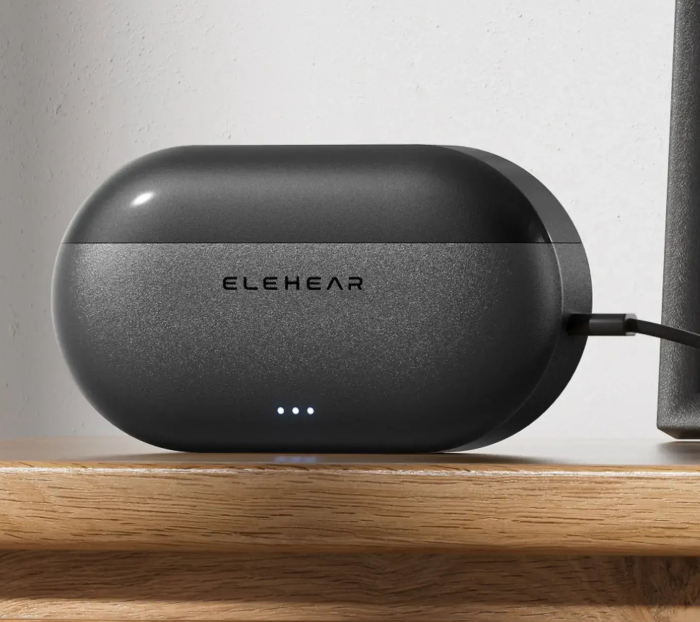
Modern Bluetooth hearing aids offer advanced noise cancellation that isolates human speech from background clutter—essential in busy conference rooms or open-plan offices. Directional microphones can focus on a specific speaker, improving audio capture accuracy during multi-party discussions. Most devices support Bluetooth Low Energy protocols, ensuring stable connections with both iOS and Android smartphones as well as laptops running major operating systems. Pairing is typically straightforward, and once connected, audio clarity in meetings improves dramatically because sound bypasses external speakers entirely, reducing echo and distortion that plague traditional speakerphone setups.
AI Translation: Bridging the Language Barrier in Real-Time
Artificial intelligence has reshaped translation from a slow, labor-intensive process into something approaching instantaneous comprehension. Early machine translation relied on rigid rule-based systems that produced awkward, often inaccurate output. The shift to neural machine translation changed everything—deep learning models trained on billions of sentence pairs now grasp context, idiom, and even industry-specific terminology with impressive fluency. What makes this relevant to international business meetings is the convergence of AI translation with wearable audio devices. When Bluetooth hearing aids connect to smartphones or laptops running AI translation applications, they create a closed loop: speech enters the system, gets processed through sophisticated language models, and returns as translated audio directly into the listener’s ear. This happens in near real-time, with latency measured in seconds rather than the minutes required by human interpreters. The result is that participants in a multilingual meeting can speak naturally in their native languages while each listener receives a translated stream tailored to their preferred language. Unlike traditional interpretation, which forces speakers to pause and segment their thoughts, AI-powered real-time translation preserves conversational rhythm. The technology currently supports dozens of language pairs, with accuracy rates improving with each model update. For business contexts, specialized vocabulary modules can be loaded to handle financial, legal, or technical discussions with greater precision, reducing the risk of critical misinterpretation during high-stakes exchanges.

How Real-Time Translation Works with Hearing Aids
The process begins when the hearing aid’s directional microphones capture incoming speech and transmit the audio signal via Bluetooth to a paired device. On that device, an AI translation application performs speech recognition, converting the audio into text in the source language. The neural translation engine then processes this text into the target language and generates synthesized speech output, which streams back through the Bluetooth connection directly into the hearing aid. The entire cycle typically completes within two to three seconds. Recent advances in on-device processing mean some translation can occur locally without relying on cloud servers, improving both speed and data privacy—a critical consideration for confidential business discussions. Accuracy has reached levels where professional-grade conversations flow naturally, though speakers who articulate clearly and minimize heavy slang still achieve the best results. As models continue training on domain-specific corpora, the gap between AI and human interpretation narrows further with each quarterly update.
Transforming International Meetings: Practical Applications and Benefits
For business professionals managing cross-border relationships, the combination of Bluetooth hearing aids and AI translation addresses daily friction points that traditional tools leave unresolved. Consider the dynamics of a typical multinational meeting: participants speak at natural speed, interrupt with clarifications, and layer cultural nuance into their phrasing. Bluetooth hearing aids equipped with real-time translation maintain this conversational tempo by delivering translated audio continuously, without requiring anyone to stop and wait for interpretation. This preserves the energy and spontaneity that drive productive discussions. Enhanced clarity is the most immediate benefit—when every participant fully comprehends what’s being said, meetings become shorter and more decisive. Misinterpretations that previously required follow-up emails or additional calls to resolve simply don’t occur at the same rate. Collaboration improves because team members who previously stayed silent due to language insecurity now contribute freely, knowing their words will be accurately conveyed. The technology also levels the playing field in negotiations, where linguistic dominance often gives native English speakers an unspoken advantage. When all parties communicate in their strongest language while receiving seamless conversations in their preferred tongue, ideas compete on merit rather than fluency. Additionally, the discreet form factor of modern hearing aids eliminates the social awkwardness of holding up a phone or wearing bulky translation headsets, maintaining professional appearance and focus throughout extended sessions.
Case Scenarios for Business Professionals
During a contract negotiation between a Japanese supplier and a Brazilian distributor, both parties speak natively while receiving instant translation, allowing them to detect subtle concessions and counteroffers without delay—resulting in faster deal closure and fewer post-signing disputes. In a product development brainstorm spanning teams in four countries, engineers share technical ideas in their mother tongues, and the AI handles specialized vocabulary, producing richer innovation than English-only sessions typically yield. A quarterly board presentation delivered in Mandarin reaches European directors in real time, enabling immediate Q&A rather than waiting days for translated materials. Each scenario demonstrates the same outcome: stronger relationships built on genuine understanding and accelerated decision-making that compounds into measurable competitive advantage over time.
Implementing the Solution: A Step-by-Step Guide for Adoption
Adopting hearing aids with Bluetooth and AI translation for your organization requires a deliberate approach rather than a rushed purchase. Start by assessing your team’s specific communication needs—identify which languages appear most frequently in your meetings, how many participants typically join, and whether discussions tend toward technical, legal, or general business vocabulary. This assessment shapes every subsequent decision. Next, select Bluetooth hearing aids that offer strong directional microphone performance and stable connectivity with your team’s existing devices. Pair these with an AI translation application that supports your required language combinations and offers domain-specific vocabulary modules relevant to your industry. Once hardware and software are chosen, run a structured setup process: pair devices with smartphones or laptops, configure preferred languages for each user, and adjust audio settings for individual comfort. Before deploying in live meetings, conduct training sessions where team members practice with the technology in low-pressure mock scenarios. This builds familiarity with latency, teaches speakers to articulate clearly for optimal recognition, and surfaces any connectivity issues before they matter. Finally, test the full system in a real but non-critical meeting, gather feedback, and refine settings accordingly.
Choosing the Right Technology and Tools
Prioritize devices offering Bluetooth Low Energy for battery efficiency and broad compatibility across iOS, Android, and desktop platforms. Companies like ELEHEAR have developed hearing aids with AI-enhanced features that pair well with translation applications, making them worth evaluating alongside other options. Assess AI translation apps based on language pair accuracy for your specific needs, privacy policies regarding audio data, and whether they support on-device processing for confidential discussions. Look for applications that allow custom glossary uploads so industry terminology translates correctly from day one. User-friendliness matters enormously—if setup requires more than a few minutes, adoption will stall across your team.
The Future of Barrier-Free International Business Communication
The fusion of Bluetooth hearing aids and AI translation technology represents a genuine turning point for international business communication. Language barriers that once slowed negotiations, diluted creative collaboration, and strained cross-border relationships are becoming manageable challenges rather than immovable obstacles. Business professionals who embrace this technology gain immediate advantages: meetings become more efficient, team members contribute with greater confidence regardless of native language, and the subtle nuances that define successful negotiations survive intact across linguistic boundaries. The competitive edge belongs to those who communicate most effectively, and when every participant operates in their strongest language while maintaining seamless conversations, the quality of ideas—not fluency in a dominant tongue—determines outcomes. Looking ahead, continued advances in neural translation accuracy, reduced processing latency, and expanded language coverage will only sharpen these benefits. On-device AI processing will further address privacy concerns for sensitive discussions, while smaller, more powerful hardware will make the technology virtually invisible. For organizations operating across borders, the question is no longer whether this technology will reshape international meetings, but how quickly they can integrate it into their communication strategy to stay ahead of competitors still struggling with outdated approaches to the language divide.