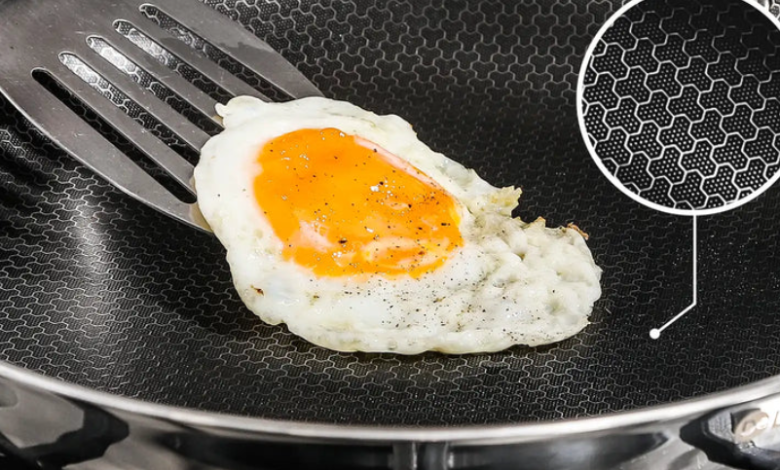
Today’s home cooks face a familiar balancing act: choosing products that protect their family’s health while respecting a realistic budget. When it comes to cookware, one concern has risen to the forefront in recent years—PFOA, or Perfluorooctanoic Acid, a chemical historically used in manufacturing traditional non-stick coatings. Research has linked PFOA exposure to various health concerns, prompting consumers to seek safer alternatives. Ceramic cookware has emerged as a popular solution, offering a naturally PFOA-free cooking surface that many consider a healthier choice for everyday meal preparation.
But here’s the question that stops many shoppers mid-search: can you actually find high-quality, genuinely safe PFOA-free ceramic cookware without draining your wallet? The answer is a confident yes—if you know what to look for. This guide is designed for budget-conscious buyers who refuse to compromise on safety. We’ll walk you through what PFOA-free ceramic cookware actually means, how to identify real value beyond marketing hype, which features matter most, and how to make a purchase you’ll feel good about for years to come.
What Does “PFOA-Free Ceramic Cookware” Really Mean?
PFOA, or Perfluorooctanoic Acid, is a synthetic chemical that was widely used for decades in the production of polytetrafluoroethylene (PTFE) coatings—commonly known by the brand name Teflon. During manufacturing, PFOA helped bind non-stick coatings to cookware surfaces. Over time, studies revealed that PFOA persists in the environment and accumulates in the human body, with potential links to kidney disease, thyroid disorders, and certain cancers. These findings triggered widespread consumer demand for cookware free from this chemical.
Understanding the distinction between coating types is essential. Traditional non-stick pans rely on PTFE, which historically involved PFOA in its production process. Ceramic cookware, on the other hand, uses a completely different approach. Its non-stick surface is derived from an inorganic, sand-based material—essentially a sol-gel coating made from silicon dioxide. Because this coating technology never required PFOA or PTFE in the first place, ceramic cookware is inherently free of these chemicals rather than being reformulated to remove them.
This is an important nuance. When you see “PFOA-free” on ceramic cookware, it’s not a special upgrade—it’s a confirmation of what the product naturally is. However, this label still serves a purpose: it reassures consumers and signals that the manufacturer is transparent about their materials. Think of “PFOA-free” as a baseline safety standard, not a premium feature. Any reputable ceramic cookware brand should meet this threshold, and those that clearly communicate their material composition demonstrate accountability to health-conscious buyers.
Demystifying Affordability in Premium Kitchen Products
There’s a persistent myth in the cookware world: if it’s safe, it must be expensive. This assumption keeps many shoppers stuck between guilt over budget constraints and anxiety about product safety. The reality is far more encouraging. Price tags on cookware reflect a complex mix of factors, and not all of them relate to what actually touches your food.
Brand reputation accounts for a significant portion of what you pay. Established names invest heavily in marketing, celebrity endorsements, and premium packaging—costs that get passed directly to consumers. A lesser-known brand using identical materials and manufacturing standards might offer the same functional quality at a fraction of the cost. This doesn’t mean all budget options are equal, but it does mean a high price isn’t an automatic indicator of superior safety or performance.
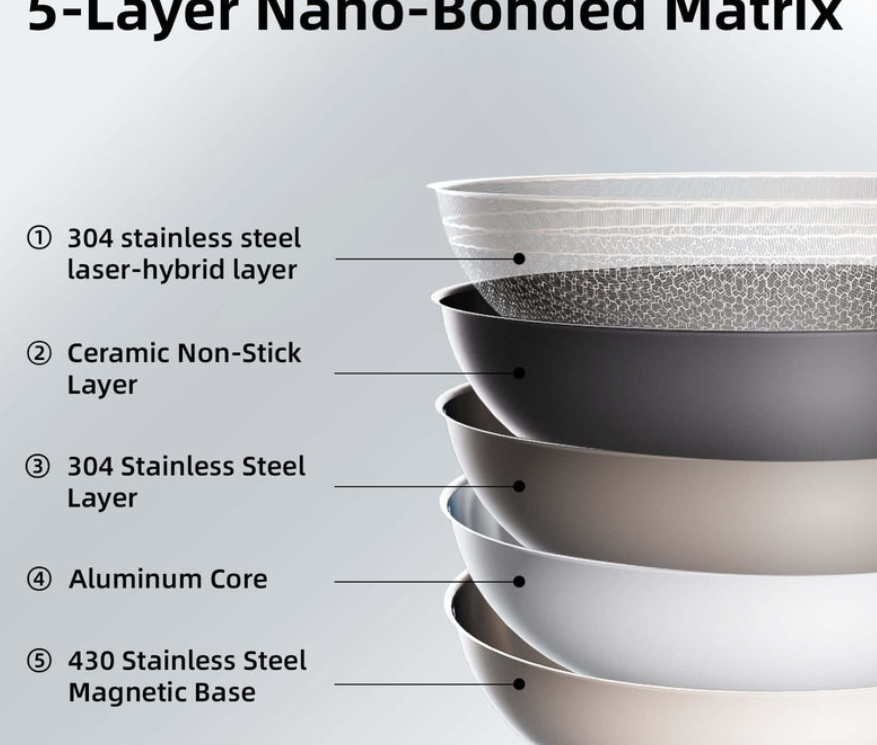
The smartest approach is knowing where your money genuinely matters. Invest in solid base construction—the core material beneath the ceramic coating determines how evenly your pan heats, how well it resists warping, and how long it lasts. A thick aluminum or hard-anodized base is worth paying for because it directly affects cooking results every single day. Meanwhile, you can comfortably save on aesthetic extras like color variety, designer handles, or elaborate box sets with pieces you’ll rarely use.
Think of affordable PFOA-free ceramic cookware not as a compromise but as a strategic decision. A well-chosen mid-range set that performs reliably for three to five years delivers far better value per meal than an overpriced option that offers marginal improvements. The goal isn’t finding the cheapest product available—it’s identifying the sweet spot where safety, durability, and price intersect to serve your daily cooking needs without financial strain.
Key Features to Look For in Your Affordable Set
Core Construction and Materials
The foundation beneath the ceramic coating determines everything about your cookware’s long-term performance. Aluminum bases offer excellent heat conductivity at lower price points, while hard-anodized aluminum adds scratch resistance and structural rigidity. Stainless steel bases, though heavier, provide superior durability and often include induction compatibility. Look for a base thickness of at least 3mm—thinner constructions warp over time, creating uneven heating that frustrates cooking and damages the ceramic layer above. Regarding the coating itself, seek products carrying certifications from organizations like SGS or TÜV, which independently verify that materials are free from PFOA, PFOS, lead, and cadmium. A “non-toxic” claim without third-party verification is marketing language, not a safety guarantee.
Performance and Usability Essentials
A quality PFOA-free ceramic pan should release food cleanly with minimal oil during its first year of use—this is the baseline non-stick performance to expect. Check oven-safe temperature ratings, as affordable options typically handle 350°F to 450°F, which covers most baking and finishing tasks. Dishwasher safety is convenient, but hand washing genuinely extends coating life, so don’t overpay for this feature. Verify cooktop compatibility before purchasing; not all ceramic cookware works on induction unless it includes a magnetized steel base plate. Finally, evaluate handle construction—riveted stainless steel handles stay cooler and last longer than screwed-on plastic alternatives, and ergonomic shaping reduces wrist strain during daily use.
Understanding Warranties and Return Policies
A warranty tells you how much confidence a manufacturer has in their own product. When evaluating coverage, read beyond the headline number. A “lifetime warranty” that only covers manufacturing defects in the base—excluding the ceramic coating—offers far less protection than a straightforward two-year warranty covering both the body and the non-stick surface. Pay attention to what voids coverage: many warranties become invalid if you use metal utensils, cook on high heat, or clean in a dishwasher, even when the product advertises these capabilities.
Return policies deserve equal scrutiny. Look for companies offering at least 30 days for returns, with clear instructions and prepaid shipping labels. Some brands provide a trial period specifically designed to let you test non-stick performance under real cooking conditions. This signals genuine product confidence rather than reliance on the inertia of consumer laziness. Before purchasing, screenshot or save the warranty terms—companies occasionally update policies, and having documentation of what was promised at the time of your purchase protects you if issues arise months later. A strong warranty paired with a generous return window is often a more reliable quality indicator than price alone.
Top Affordable Picks: Balancing Cost and Quality
Navigating the market for budget-friendly PFOA-free ceramic cookware becomes easier when you know which brands consistently deliver on their promises. Several manufacturers have built solid reputations by focusing on material integrity and functional design rather than flashy marketing campaigns, passing those savings directly to consumers.
GreenLife stands out as an accessible entry point for health-conscious cooks. Their sets feature thick aluminum cores wrapped in Thermolon ceramic coating, delivering reliable non-stick performance and even heating across gas and electric stovetops. Starter sets typically include essential pieces like frying pans, saucepans, and a Dutch oven, making them practical for everyday cooking without redundant items. Their warranty covers manufacturing defects for two years, and the brand is widely available through major retailers like Target, Walmart, and Amazon.
Caraway has positioned itself as a direct-to-consumer option that eliminates retail markup. Their ceramic-coated cookware uses hard-anodized aluminum construction with oven-safe ratings up to 550°F—notably higher than many competitors. Sets ship with magnetic pan organizers and canvas storage solutions, reducing cabinet clutter without adding significant cost. They offer a 30-day trial period, letting you cook with the products before fully committing.
Deluxe Cookware is another brand worth considering for shoppers who want a balance of refined construction and accessible pricing. Their ceramic-coated lines emphasize thick aluminum bases and ergonomic handle design, catering to home cooks who value both performance and comfort during daily use.
T-fal’s Initiatives Ceramic line deserves attention for shoppers seeking individual pieces rather than full sets. This open-stock approach lets you build a collection gradually, purchasing only what you need when you need it. Each piece features a Thermo-Spot heat indicator and is compatible with all cooktop types including induction. The brand’s widespread availability means you can compare prices across multiple retailers to find the best deal.
For those who prefer shopping during sales events, brands like Blue Diamond frequently appear in holiday promotions and warehouse club offerings. Their diamond-infused ceramic coating claims enhanced durability, and their sets often include bonus utensils. Watching for Black Friday, Prime Day, or end-of-season clearance events can reduce costs by 30 to 50 percent on these already reasonably positioned products. Regardless of which direction you choose, prioritize purchasing from authorized retailers to ensure warranty validity and access to customer support if issues arise.
Smart Shopping Tips for Your Kitchenware Upgrade
Timing your purchase strategically can save you a significant amount without sacrificing quality. Major retailers discount cookware heavily during Presidents’ Day, Memorial Day, and the November-through-December holiday corridor. Sign up for email alerts from brands you’re considering—many offer first-purchase discounts of 10 to 15 percent, and you’ll receive early access to flash sales before inventory runs low. Warehouse clubs like Costco periodically stock premium ceramic sets at substantial markdowns, though selection rotates unpredictably, so act quickly when you spot a match.
Deciding between a full set and individual pieces depends on your cooking habits. If you primarily cook for one or two people, a quality 10-inch frying pan and a 2-quart saucepan may serve you better than a 12-piece collection gathering dust. Sets make financial sense when you genuinely need multiple sizes or are outfitting a kitchen from scratch, but buying piece by piece lets you test a brand’s quality before committing further.
Before clicking “add to cart,” spend ten minutes reading verified customer reviews—specifically those posted three to six months after purchase. These reveal how the ceramic coating holds up under real daily use rather than reflecting first-impression excitement. Look for patterns in complaints: if multiple reviewers mention coating degradation within weeks, that’s a red flag no marketing copy can override. Once your cookware arrives, protect your investment through proper care. Use wooden or silicone utensils exclusively, avoid preheating empty pans, cook on medium heat rather than high, and hand wash with a soft sponge. These simple habits can double or triple the functional lifespan of your ceramic coating, making an affordable purchase feel like a luxury one for years. Remember, shopping smart isn’t about finding the lowest price—it’s about maximizing what every dollar delivers to your kitchen.
Making the Smart Choice for Your Health and Budget
Finding affordable, PFOA-free ceramic cookware isn’t a matter of luck—it’s a matter of informed decision-making. The knowledge you now carry transforms you from a passive shopper into a discerning buyer who can see past marketing language and evaluate products on their genuine merits. You understand that “PFOA-free” represents a baseline characteristic of ceramic cookware rather than a premium upgrade, which immediately levels the playing field between budget-friendly and luxury-priced options.
The path forward is clear: prioritize solid base construction and verified safety certifications over brand prestige, evaluate warranties for what they actually cover rather than how impressive they sound, and time your purchases to capture meaningful savings. Care for your cookware properly, and an affordable set will reward you with years of reliable, health-conscious cooking. Your kitchen should be a space where safety and financial responsibility coexist comfortably—and with the right ceramic cookware on your stovetop, that’s exactly what it becomes. Trust your research, commit to your standards, and cook with confidence knowing you’ve made a choice that serves both your family’s well-being and your household budget.