Last summer I took my dog Bruno on a road trip. Three states, eight days, one very excited beagle. By day two I figured out that the harness I’d been using for casual neighborhood walks was completely useless the moment we hit a busy boardwalk. He pulled, I pulled back, and we basically spent twenty minutes doing a tug of war outside a seafood restaurant while tourists watched. Not my finest moment.
If you travel with your dog, your harness setup matters way more than you think it does.
Why a No Pull Dog Harness Changes Everything on the Road
Most people don’t really think about why their dog pulls. It’s not attitude, it’s not stubbornness, it’s just that dogs move toward whatever interests them. And when you’re somewhere new, everything is interesting. A gas station parking lot in a town your dog has never visited has about a thousand smells he’s never encountered. Of course he wants to go investigate.
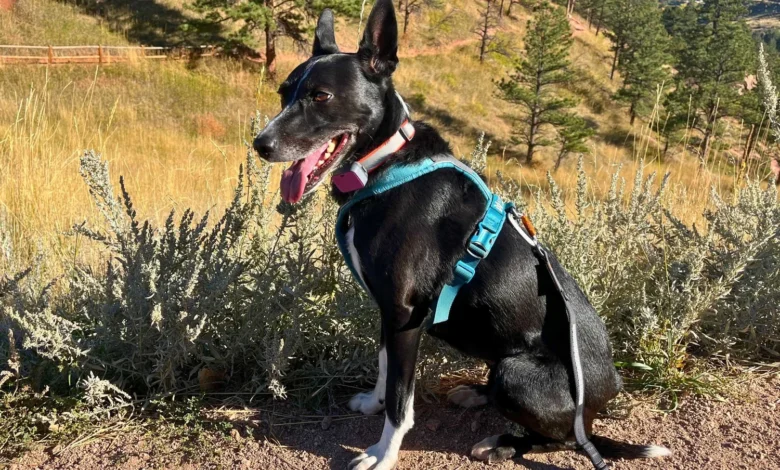
A no pull dog harness deals with this in a really practical way. The leash clips to the front of the chest instead of the back. So when your dog surges forward, his own body turns sideways. He can’t get any power behind the pull. It doesn’t hurt him, it doesn’t scare him, it just makes pulling feel pointless and dogs catch on to that pretty fast.
At home this is helpful. On a busy street in a city your dog doesn’t know, it’s the difference between a nice walk and a disaster. That’s why it matters specifically for travel.
A quick warning though. Lots of harnesses say “no pull” on the packaging and don’t actually work that way. The chest clip needs to sit in the right spot, the panel needs to be wide enough to stay put, and the whole thing needs to actually fit your dog properly. If it’s sliding around after ten minutes, it’s not doing its job. Look for one with two attachment points, decent padding, and separate adjustment for the chest and belly. That combo covers most of what you need.
Fit Your Dog to the Harness Before You Go Anywhere
This is the part people skip and then regret. Getting a no pull dog harness three days before a trip and expecting it to work perfectly is like buying new hiking boots the week before a ten mile hike. The dog needs time to get used to it.
Two weeks before you travel, start wearing it on regular walks. Feed him dinner in it a few times. Take a couple of short car rides with the harness on. You want him to associate it with normal, good things. By the time you’re actually on your trip, putting the harness on should feel routine to him. Not weird, not something to fight against, just a normal part of getting ready to go somewhere fun.
Also check the fit every morning while you’re traveling. I know that sounds like a lot but it really matters. Dogs eat differently when they travel, sleep differently, move more or less depending on the day. Their body actually changes a little. A harness that fit snugly on day one can be noticeably loose by day four. Run two fingers under each strap. If your whole hand fits, it’s too loose. A loose no pull dog harness on a nervous dog in an unfamiliar place is how dogs slip free and bolt, and that is a genuinely terrible situation to be in.
How to Use the Harness in Different Travel Situations
Not every situation calls for the same setup. In airports or train stations where it’s loud and chaotic, clip a second leash to the back ring as a backup. Front clips are secure but under enough pressure things can fail, and a station full of people is not where you want to find that out.
On hiking trails, back clip works fine when the path is open and your dog can walk a bit ahead of you. Switch to the front clip when the trail gets narrow or you hit a crowded spot at a viewpoint. In cities, front clip every single time. No exceptions.
Rest stops on road trips are something I feel strongly about. Your dog has been sitting in a car for hours, he is ready to explode with energy, and a parking lot full of strangers and other cars is not a safe place for that. Harness on before the car door opens. Leash attached before he steps out. You get your balance before he goes anywhere. Sounds like overkill until you’ve watched a dog sprint across a highway rest stop because someone opened the door too fast.
Pack Smart and Keep a Backup
Keep the no pull dog harness somewhere easy to reach. Top of your dog’s bag, side pocket of yours, somewhere you can grab it fast. For any trip longer than a week, bring a spare. Buckles break, straps wear through, and trying to find a replacement in a town you’ve never been to before is a genuinely frustrating way to spend part of your trip.
Wipe it down every few days too. Sand and grit gets into the adjustment buckles and they stop sliding properly. Two minutes with a wet cloth keeps everything working.
Final Thoughts on Traveling With Your Dog
Honestly, once you get the gear right, traveling with your dog stops feeling stressful and starts feeling like something you actually want to do more often. A good no pull dog harness gives you real control in real situations without making your dog miserable in the process. Get him used to it before you leave, check the fit every day, use the right attachment point for wherever you are, and keep a backup in your bag.
Do those things and you’ll spend a lot less time wrestling with your dog on a busy sidewalk and a lot more time actually enjoying the trip. Which is the whole reason you brought him along.