The Sewer Jetter Drain Cleaner: Essential Maintenance for Industrial Facilities
Sewer Jetter Drain Cleaner

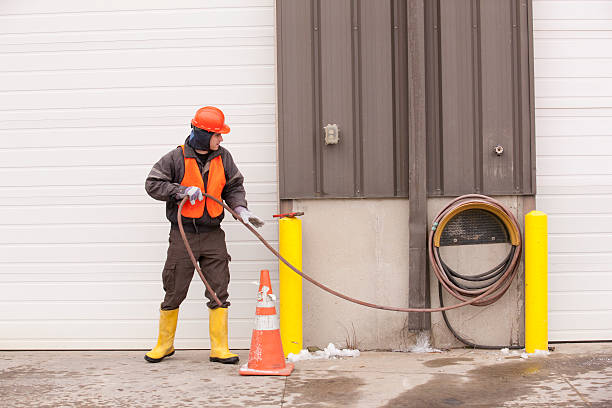
In any industrial or logistics facility, a functioning drainage system is critical. From warehouse floor drains to outdoor catch basins, blockages can lead to flooding, unsanitary conditions, and costly downtime. The Sewer Jetter Drain Cleaner offers a powerful, non‑invasive method to clear pipes using high‑pressure water. Unlike mechanical augers, jetting scours the entire pipe wall, removing grease, scale, and debris while restoring full flow capacity. For facility managers and maintenance teams, having this equipment on‑site means immediate response to clogs, minimizing operational interruptions.
Technical Overview and Industrial Use Cases
A sewer jetter consists of a high‑pressure pump, a water tank, and a hose with a specialized nozzle. The nozzle directs water jets forward to break up obstructions and backward to propel the hose through the pipe. Common industrial applications include:
- Cleaning warehouse floor drains – removing sediment and grease buildup.
- Unblocking stormwater catch basins – preventing yard flooding during heavy rain.
- Maintaining kitchen grease traps – in facilities with cafeterias.
- Clearing outdoor culverts – ensuring proper drainage around loading docks.
- Preventive maintenance – scheduled jetting to avoid emergency blockages.
Efficiency, Safety, and Productivity Gains
On‑site drain cleaning eliminates the need to call external contractors for every minor clog, saving time and money. A sewer jetter can clear blockages in minutes that would otherwise require excavation or chemical treatments. From a safety perspective, water jetting avoids the risks associated with chemical drain cleaners (burns, toxic fumes) and heavy mechanical equipment. Regular jetting also extends the life of pipes by preventing corrosive buildup and tree root intrusion. This proactive approach keeps facilities running smoothly and reduces the likelihood of emergency repairs during peak operational hours.
Core Specifications and Capacity Considerations
When evaluating a sewer jetter for industrial use, several technical parameters determine its suitability. Key specifications include:
- Pressure rating – typically 3,000 to 4,000 pounds per square inch, sufficient for cutting through grease and scale.
- Flow rate – measured in gallons per minute (e.g., 4‑5 GPM), affecting how quickly debris is flushed away.
- Water tank capacity – larger tanks (e.g., 50‑100 gallons) allow longer run times without refilling.
- Hose length and diameter – 100‑200 feet of 1/2‑inch or 3/8‑inch hose for reaching distant blockages.
- Power source – gasoline engines for portability or electric motors for indoor use.
- Nozzle types – interchangeable nozzles for cutting, flushing, or penetrating stubborn clogs.
Variables That Affect Performance and Longevity
Even a well‑designed jetter can underperform if key factors are overlooked. The following elements have the greatest impact:
- Water quality – sediment‑laden water can wear out pumps and nozzles; use clean, filtered water.
- Nozzle selection – using the wrong nozzle reduces cleaning efficiency; match nozzle to pipe size and clog type.
- Hose care – kinks or abrasions weaken the hose; always reel it properly and inspect for damage.
- Temperature extremes – in Canadian winters, ensure the machine is stored in a heated area to prevent freezing.
- Regular maintenance – check oil levels, pump seals, and unloader valves per manufacturer schedule.
Safety Protocols and Recommended Practices
To ensure safe and effective operation, adopt the following industry best practices:
- Personal protective equipment – operators must wear safety glasses, gloves, and waterproof clothing to guard against high‑pressure spray.
- Never exceed pressure rating – operating above the rated pressure can burst hoses or damage pipes.
- Inspect hose and fittings – check for wear before each use; damaged components can fail catastrophically.
- Secure the hose – when inserting into a drain, keep a firm grip; the jetting action can pull the hose in rapidly.
- Beware of backflow – contaminated water may splash back; stand clear of the drain opening.
- Lockout/tagout – during maintenance, disconnect the spark plug or power source to prevent accidental starting.
- Follow local regulations – some areas require containment of wastewater; check environmental rules.
Essential Equipment and Complementary Tools
Integrating a sewer jetter into a maintenance fleet often requires additional equipment and accessories:
- Nozzle sets – various configurations (piercing, flushing, root cutting) for different clogs.
- Hose reel – manual or powered for easy deployment and storage.
- Water supply hose – to connect the jetter to a hydrant or tank.
- Pipe inspection camera – to diagnose blockages and verify cleaning results.
- Spill containment – absorbent pads or portable berms for containing wastewater during outdoor use.
- Grease trap cleaning tools – scrapers and buckets for solid waste removal.
Advantages and Operational Limitations
Advantages:
- Thorough cleaning – scours entire pipe circumference, removing buildup that augers miss.
- Environmentally friendly – uses only water, no chemicals.
- Versatile – works on drains from 1 inch to large diameter pipes.
- Fast – clears most clogs in minutes.
Limitations:
- Water supply needed – requires a nearby water source or frequent refilling of tank.
- Not for solid blockages – cannot break up rocks or heavy roots; may need pre‑cutting.
- Wastewater handling – contaminated water must be properly disposed of according to regulations.
- Training required – operators need to understand pressure dynamics and nozzle selection.
Real-World Example: Food Processing Plant in Ontario
A food processing plant in Ontario faced recurring grease blockages in its main floor drains, causing production delays. They purchased a Sewer Jetter Drain Cleaner with a 3,600 pounds per square inch rating and a 50‑gallon tank. The maintenance team now performs weekly jetting on all drains, preventing buildup. During a recent winter storm, a frozen catch basin caused backup; the jetter‘s hot water option (available as an accessory) thawed the ice and cleared the line in 15 minutes. The plant manager credits the jetter with a 40 percent reduction in plumbing service calls and zero production downtime due to drains.
Conclusion: The Future of Industrial Drain Maintenance
As facilities strive for uninterrupted operations, the sewer jetter has become an indispensable tool. Its ability to quickly and safely clear drains with water alone aligns with sustainability goals and workplace safety. Future trends include more compact electric models for indoor use, integration with camera systems for live viewing, and automated jetting systems for large‑scale pipe networks. For procurement managers and maintenance supervisors, investing in a quality sewer jetter means gaining control over one of the most overlooked yet critical aspects of facility management.