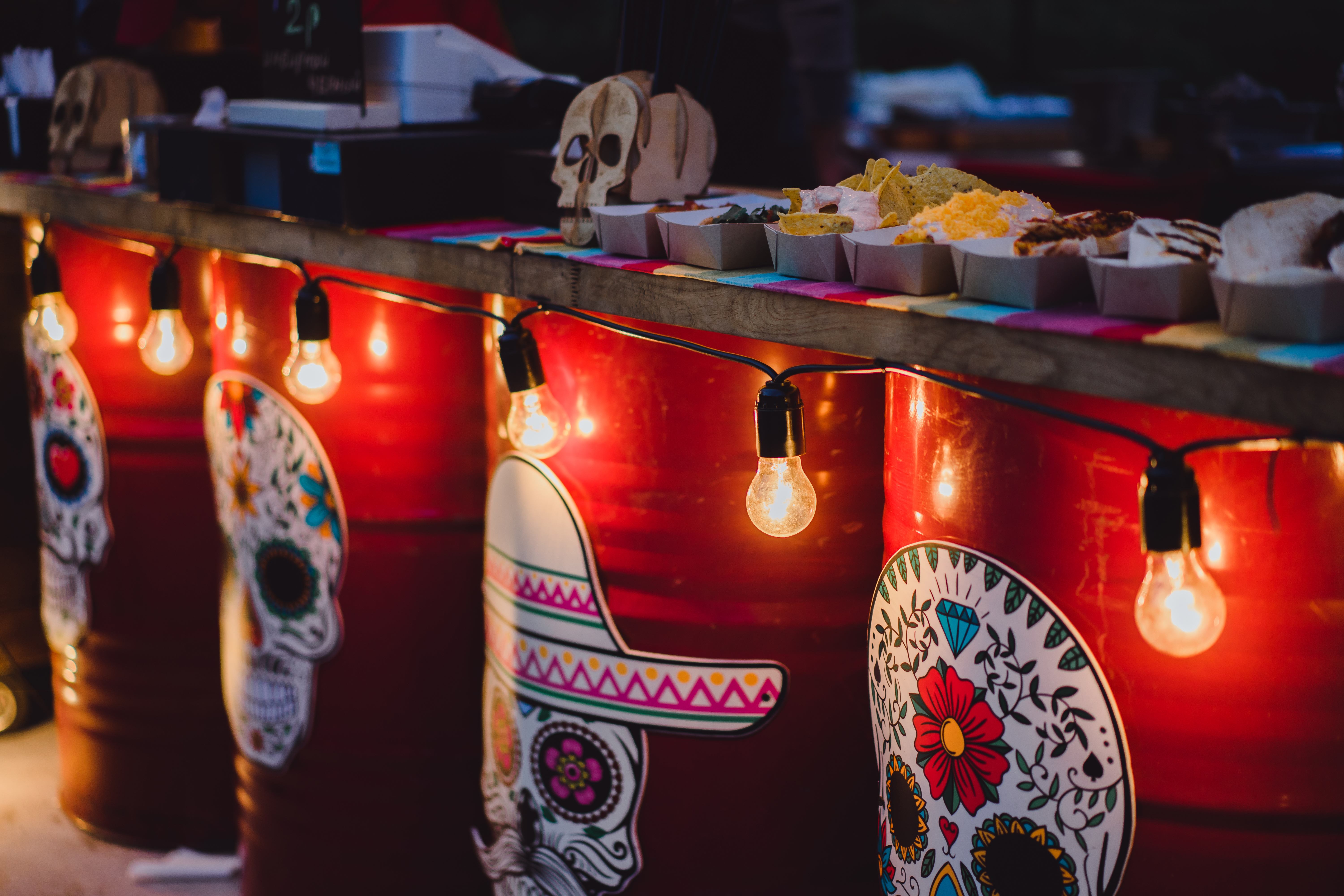
Few cultural moments feel as alive as the Day of the Dead. It is colorful, reverent, witty, and communal all at once. Travelers who time their visit for this season see families building ornate home altars, markets bursting with orange blossoms, and streets full of music and painted faces. At its heart, this is a celebration of memory and love rather than a gloomy meditation on loss. If you are planning to drive for the festivities, make sure your paperwork and coverage are in order, so the only thing on your mind is enjoying the journey. For help with cross-border auto coverage, contact Oscar Padilla Mexican Insurance.
Ancient Roots and Modern Traditions
The roots of this holiday run deep. Long before it was linked to early November on the Christian calendar, Indigenous communities in the region honored their dead with ceremonies that treated the border between worlds as porous and worthy of joy. When colonization reshaped the calendar, the observance shifted toward the same dates as All Saints and All Souls. The result is a distinctive blend that carries ancient beliefs forward in a way that still feels wholly contemporary.
Ofrendas That Tell Stories
What most visitors notice first are the altars. These ofrendas bloom in homes, public spaces, and storefronts with thick carpets of marigold petals, candlelight, paper cutouts, and offerings for returning souls. The orange and gold flowers are not just pretty decorations. Their color and fragrance are said to guide loved ones back to the family table, a bright path that says you are remembered and welcome. Bowls of water and a mirror may be set out so the travelers can refresh themselves, and favorite foods are arranged with care. Sweet round loaves known as pan de muerto often sit at the center as a gesture of hospitality and abundance.
The Humor in Remembrance
Step closer and the humor of the holiday peeks through. You may see sugar skulls with names written in icing, skeleton figurines dressed to the nines, and face paint that turns a simple stroll into a moving parade. Playfulness is not a side note. It is a reminder that death is part of life, and that laughter can coexist with grief without diminishing remembrance. That combination of satire and tenderness is one reason the celebration enchants so many first-time observers.
Cemeteries Full of Light and Music
For many families, a nighttime visit to the cemetery is the centerpiece. Graves glow with candles and marigolds, and relatives arrive carrying everything needed to transform a resting place into a warm gathering space. Music drifts from one corner to the next, kids chase each other between rows, and stories flow freely. If you are invited to share bread or conversation, you will find generosity comes easily here. Visitors who approach with respect are often welcomed to witness an atmosphere that is communal and deeply moving.
Respecting Tradition as a Guest
Experiencing the celebration well starts with understanding that you are stepping into a living tradition. Keep your camera handy, but ask before taking close photos of people or private altars. If someone prefers not to be photographed, thank them and move on. Stay on paths rather than cutting through family spaces, keep voices soft in cemeteries, and remember that every offering has meaning even if it looks simple. If you speak Spanish, a kind greeting opens doors. If you do not, a smile and a sincere gracias go a long way.
Markets and Handcrafted Goods
Markets and artisan stalls add another layer. You will find hand-cut papel picado, sugar sweets, tiny clay figures, and masks painted with careful detail. Buying directly from makers supports households that keep the craft side of the holiday vibrant year after year. If you plan to bring home items for your own remembrance table, pack them safely and check customs rules for food and plant material. Paper goods and ceramics are usually simpler to transport than perishable treats.
Food That Brings People Together
Food is a bridge into the season. Bakeries begin turning out pan de muerto well before the main dates, and many eateries offer regional dishes that families associate with remembrance. If someone shares a plate or a cup of chocolate at a vigil, take it as an honor. The meal is part of a dialogue between generations. It feeds the living while also symbolically feeding the guests who return.
Timing and Atmosphere
Timing matters. The liveliest days arrive around the start of November, but preparations can begin weeks earlier, from flower harvesting to altar building. If you want a calmer experience, look for smaller community events or visit local markets during the day when vendors have time to talk. If you want the full swirl of color and rhythm, evenings close to the main days bring the largest crowds and most elaborate displays. Wherever you go, give yourself time to wander. The quiet moments between big spectacles often stay with you the longest.
Preparing for Travel
Getting around by car offers freedom to explore, yet it comes with responsibility. Study road rules ahead of time, keep your documents handy, and budget extra minutes for traffic near popular events. Fuel up early in the day. Bring cash in small bills for parking or market purchases where cards are not accepted. Most importantly, secure valid auto coverage that is recognized locally rather than assuming your domestic policy will carry over. That small step protects you and everyone who shares the road with you.
Creating Your Own Ofrenda at Home
If you plan to build your own ofrenda when you return home, start simple. A small table with a photo, a candle, a glass of water, and a few marigolds can be powerful. Add a favorite snack or song lyric your loved one adored. What matters most is intention. The altar is not a prop. It is a conversation with memory that keeps stories in circulation. Over time, you can learn new layers of meaning and add them thoughtfully.
A Lasting Impression
What makes Day of the Dead unforgettable is the way it reframes absence. Instead of hiding from mortality, families face it with music, color, and open arms. The celebration honors people as they were, tells jokes they would have loved, and invites neighbors to remember with them. When travelers treat that invitation with care, they gain more than photos. They carry home a gentler view of time that holds both joy and sorrow without letting either cancel the other.
If this season is calling your name, plan with intention and arrive ready to listen. Let the scent of orange blossoms lead you from one altar to the next. Follow the glow of candles through the night and into conversations that will reshape the way you think about remembrance. And if you are driving, take a moment before you depart to double-check that your vehicle, documents, and coverage are set so the road ahead feels easy.