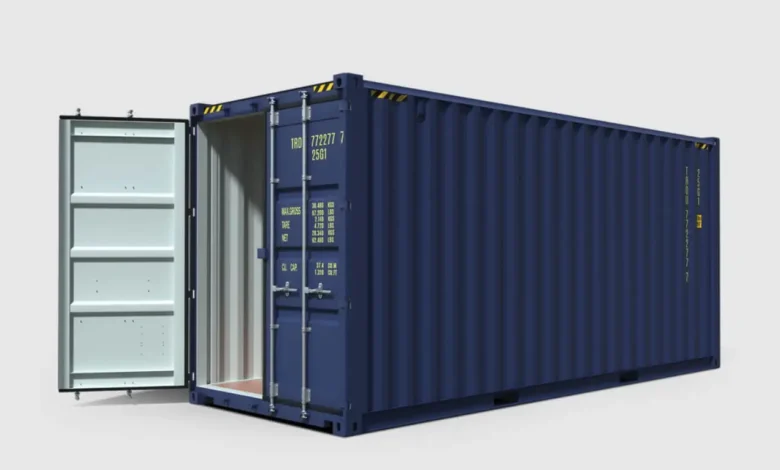
In the rapidly evolving world of global shipping and logistics, maximizing cargo efficiency has become more critical than ever. As businesses seek cost-effective solutions to transport large volumes of goods across international borders, high cube containers have emerged as the preferred choice for bulk cargo operations. These specialized shipping containers offer unique advantages that make them indispensable for companies looking to optimize their supply chain operations while reducing transportation costs.
The growing demand for efficient bulk cargo transportation has pushed the shipping industry to innovate, and high cube containers represent a significant advancement in container technology. Their design addresses the fundamental challenge of space utilization that has long plagued traditional shipping methods, offering a practical solution that delivers measurable results for businesses of all sizes.
Understanding High Cube Containers: The Foundation of Modern Bulk Shipping
High cube containers represent a revolutionary advancement in shipping container design, distinguished primarily by their increased height compared to standard containers. While standard containers measure 8 feet 6 inches in height, high cube containers stand at 9 feet 6 inches tall, providing that crucial additional foot of vertical space that transforms their cargo-carrying capabilities.
This seemingly modest difference in height creates a substantial impact on cargo volume and efficiency. The extra 12 inches of height isn’t just about more space – it’s about reimagining how bulk cargo can be loaded, stored, and transported. High cube containers maintain the same length and width dimensions as their standard counterparts, ensuring compatibility with existing shipping infrastructure while delivering enhanced capacity.
The structural integrity of high cube containers matches that of standard containers, featuring the same robust steel construction and weather-resistant properties. They’re built to withstand the rigors of international shipping, including harsh weather conditions, rough seas, and the mechanical stresses of loading and unloading operations.
Technical Specifications That Matter for Bulk Cargo
When evaluating containers for bulk cargo operations, understanding the technical specifications becomes crucial for making informed decisions. High cube containers are available in multiple sizes, with 20-foot, 40-foot, and 45-foot variants being the most common options in the market.
The 40-foot high cube container, being the most popular choice for bulk cargo, offers approximately 76 cubic meters of internal volume compared to the 67 cubic meters available in a standard 40-foot container. This represents roughly a 15% increase in cargo capacity, which translates directly into cost savings and operational efficiency for bulk shippers.
High Cube Containers are engineered to handle substantial weight loads while maintaining structural integrity. The additional height doesn’t compromise the container’s ability to carry heavy bulk cargo, as the reinforced steel frame construction ensures even weight distribution across the container floor and walls.
The containers feature multiple lashing rings capable of bearing loads up to 1,000 kg each, strategically positioned on the front top-end rail, bottom cross members, and corner posts. This configuration is particularly beneficial for securing bulk cargo during transportation, reducing the risk of cargo shift that could compromise load stability.
Volume Advantage: Maximizing Space Efficiency
The volume advantage of high cube containers extends far beyond the simple calculation of additional cubic meters. For bulk cargo operations, this extra space creates opportunities for more efficient packing configurations, reduced handling costs, and improved logistics planning.
The additional cubic capacity allows for more strategic cargo arrangement, particularly important when dealing with irregularly shaped bulk items or goods that require specific spacing for ventilation or protection. This flexibility in cargo arrangement often means the difference between requiring multiple containers versus consolidating shipments into fewer units.
Space optimization becomes particularly significant when considering the total cost of ownership for bulk cargo transportation. The ability to consolidate more cargo into each container reduces the number of containers needed per shipment, which directly impacts shipping costs, port handling fees, and inland transportation expenses.
Why High Cube Containers Excel for Bulk Cargo Operations
Enhanced Loading Capacity for Palletized Goods
High cube containers demonstrate exceptional performance when handling palletized bulk cargo. The additional height allows for more efficient stacking of pallets, accommodating taller pallet configurations that would be impossible in standard containers. This capability is particularly valuable for bulk cargo operations where goods are pre-palletized for distribution efficiency.
The extra vertical space enables double-stacking of certain pallet types while maintaining safe clearance from the container ceiling. This configuration maximizes space utilization while ensuring cargo remains secure during transportation.
Improved Stacking Efficiency
Beyond palletized goods, high cube containers offer superior stacking efficiency for various types of bulk cargo. Items that might require horizontal arrangement in standard containers can often be stacked vertically in high cube containers, leading to better space utilization and reduced shipping costs.
Reduced Transportation Costs
The mathematical advantage of high cube containers becomes clear when calculating cost per cubic meter of transported goods. By increasing cargo volume without proportionally increasing transportation costs, these containers deliver measurable savings that compound over multiple shipments.
Specific Bulk Cargo Applications
Agricultural Products and Grains
High cube containers have proven particularly effective for agricultural bulk cargo, where volume often exceeds weight limits before reaching container capacity. Grain shipments, dried fruits, and other agricultural products benefit from the additional storage space, allowing producers to maximize shipment efficiency.
Manufactured Goods and Consumer Products
For manufactured bulk cargo such as textiles, electronics, and consumer goods, high cube containers provide the flexibility needed to accommodate varying package sizes and shapes. The extra height is particularly valuable for goods that come in non-standard packaging configurations.
Industrial Raw Materials
Industrial bulk cargo, including raw materials and semi-finished products, often requires specific handling and spacing considerations. High cube containers provide the necessary clearance and volume to accommodate these requirements while maintaining cost efficiency.
Cost-Effectiveness Analysis for Bulk Shippers
The economic benefits of high cube containers for bulk cargo operations extend across multiple aspects of the shipping process. Primary cost savings come from the ability to ship more cargo per container, reducing the total number of containers required for large bulk shipments.
Secondary savings emerge from reduced handling costs, as fewer containers mean less time spent on loading, unloading, and customs processing. Administrative costs also decrease proportionally, as documentation and tracking requirements scale with container quantity rather than cargo volume.
Operational Benefits in Bulk Cargo Handling
Faster Loading and Unloading
The design of high cube containers facilitates more efficient loading and unloading operations for bulk cargo. The additional height provides better access for loading equipment and allows for more organized cargo arrangement, reducing the time required for cargo handling operations.
Better Cargo Protection
High cube containers offer enhanced cargo protection through improved air circulation and reduced cargo density per vertical section. This is particularly important for bulk cargo that may be sensitive to pressure or requires ventilation during transportation.
Versatility Across Transport Modes
High cube containers maintain compatibility with various transportation modes, including ship, rail, and truck transport. This versatility ensures that bulk cargo can move seamlessly through multimodal transportation networks without requiring cargo transfer between different container types.
Industry Standards and Compliance
High cube containers used for bulk cargo must meet stringent international standards, including IMO (International Maritime Organization) certification and compliance with the International Maritime Dangerous Goods Code. These certifications ensure that containers can safely transport various types of bulk cargo across international borders.
The containers undergo rigorous testing to verify their structural integrity, weather resistance, and ability to maintain cargo security during transportation. This compliance framework provides assurance to bulk cargo shippers that their goods will arrive safely at their destination.
Choosing the Right High Cube Container for Your Bulk Cargo Needs
Selecting the appropriate high cube container for bulk cargo operations requires careful consideration of cargo characteristics, transportation routes, and cost objectives. Factors such as cargo density, handling requirements, and destination infrastructure all influence the optimal container selection.
The decision between 20-foot, 40-foot, and 45-foot high cube containers should align with cargo volume, weight distribution, and logistical requirements. Understanding these factors ensures that bulk cargo operations achieve maximum efficiency and cost-effectiveness.
High cube containers represent a significant advancement in bulk cargo transportation, offering measurable benefits in capacity, efficiency, and cost-effectiveness. As global trade continues to expand, these containers will undoubtedly play an increasingly important role in optimizing bulk cargo operations worldwide.