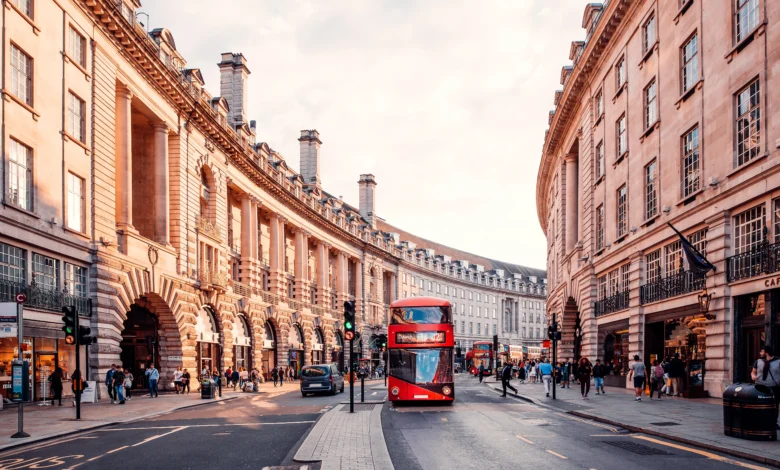
You land at Heathrow on a Friday, slightly dazed, slightly smug—you’ve made it to London. Central London, specifically. Which sounds ideal, until you realize how much is crammed into that zone. History, culture, chaos, queues, overpriced eggs. You want the experience, but you don’t want to feel like you’ve been chewed up and spat out by Oxford Street by Sunday night.
So here’s how to do it. A weekend in Central London that doesn’t feel like a panic attack in trench coat form. You’ll eat well, walk enough to feel slightly superior, and still have time to stumble into a bit of the city’s nightlife (without queuing in the cold like a lost teenager).
Friday: Land, Drop Bags, Ease In
The goal for Friday is simple: get your bearings without burning out. Book a hotel somewhere central but calm. Somewhere like the NoMad in Covent Garden—beautiful rooms, good food, and it feels like a little world of its own. Drop your bags, take a shower, stare at the ceiling dramatically for five minutes. Then go out.
Don’t overdo dinner. Hit up 10 Cases in Covent Garden—a tiny bistro with an even smaller wine list, which somehow makes ordering easier. The food’s great, the vibe is relaxed, and you’re close enough to wander after.
This is the point where most people either head straight to bed or try to make it to Soho for “just one drink.” If you’re going out, be smart. Walk over to Swift (upstairs bar if you’re tired, downstairs if you’re feeling flirty). It’s one of those places where the negronis are strong, and the lighting makes everyone look slightly better than they are. You’ll thank yourself.
Saturday: Walk, Eat, Dodge the Obvious
You’re in Central London. There’s no avoiding the big stuff entirely. But you don’t need to be up at 7 a.m. snapping the London Eye like it’s a religious relic either.
Start with breakfast at Dishoom in King’s Cross. Yes, there might be a wait. Yes, it’s worth it. Order the bacon naan and a chai, sit back, and try not to think about how many other people are taking the same photo of their table.
From there, make your way toward the river. Cut through Bloomsbury if you like leafy streets and the occasional blue plaque. Then head toward the South Bank. It’s touristy, but it’s alive—skaters, musicians, the river doing its moody brown thing. Pop into the Tate Modern if you’re in the mood for Brutalist architecture and people pretending to understand abstract sculpture.
Lunch can go two ways: Borough Market if you’re hungry and can handle a bit of a crowd, or Flat Iron in Covent Garden if you want something simple and perfect (steak, creamed spinach, glass of red, done).
Afternoon slump? Take it easy. Book a massage at the Corinthia or spend an hour getting lost in Daunt Books on Marylebone High Street. This is the calm before the Saturday night storm, so don’t waste it on errands or agonizing over plans.
Saturday Night: Go Big (Without Going Stupid)
Now’s your moment. You’re clean, well-fed, and hopefully haven’t walked 18,000 steps already. Time to enjoy London at night—but do it right.
Start with dinner somewhere that feels like a night out on its own. Barbary Next Door in Neal’s Yard is excellent if you can get in—Middle Eastern plates, smoky flavors, the kind of place that makes you want to order everything twice. Or go to Frenchie, where the food is modern and the wine list gets dangerous fast.
After dinner, you have options. You could wander toward the Strand and hit a bar like DUKES for martinis so cold they hurt. If you’re looking to spot a celebrity, the best London hip hop clubs will do the job since there are always celebrities performing there. You could even check out those weird little bars in basements with velvet booths and bartenders who act like they’re in a French new wave film.
Pick one of those. Stay too late. Walk home through empty streets with chips in your hand and no regrets.
Sunday: Slow It All the Way Down
Sunday is where most people try to cram everything they missed. Don’t. You’ll end up overwhelmed and underfed.
Sleep in. Get a late breakfast at The Wolseley—yes, it’s a scene, but it’s worth it. The coffee’s strong, the staff have seen everything, and the viennoiserie is enough to turn any mood around.
Then go somewhere green. St. James’s Park is an underrated option—full of birds and diplomats and that weird mix of old-world calm and soft power. Or if you’re feeling a little out of place, head to Hampstead Heath. Not Central, technically, but close enough and worth the detour.
If you’re still around for lunch, hit up Barrafina. Sit at the counter, order whatever they tell you to, and let the weekend taper off the way it should—full, a bit sleepy, and kind of proud of how well you handled it.
Don’t Try to See Everything
This is the one rule. You’re not here to conquer the city. You’re here to pass through it with style and a bit of ease. Central London will still be here next time—probably with a few new overpriced pop-ups and a different kind of chai latte trend. Take what you need from it, leave the rest, and make sure you see it at night at least once. That’s when the city really starts to make sense.