When it comes to natural wonders that define the American landscape, few can rival the magnitude, history, and cultural relevance of Lake Texoma. Spanning the border of Texas and Oklahoma, this massive reservoir has long been a source of recreation, livelihood, and regional pride. However, a surprisingly common oversight in digital media and print content is the improper treatment of its name—failing to capitalize “Lake Texoma”. While this may seem like a minor typographical error to some, it reflects a broader misunderstanding of the significance of proper noun usage and the respect owed to iconic places like this one.
This article delves into why Lake Texoma should be capitalized, not just grammatically, but in the consciousness of the public, local communities, and travelers who cherish its value.
The Rule of Capitalization and Why It Matters
In English grammar, proper nouns are always capitalized. These include the names of specific people, places, organizations, and sometimes events. Lake Texoma, being the official name of a specific geographical location, clearly falls into this category. Yet, it is not uncommon to see it incorrectly written as “lake texoma” in online forums, social media posts, and even some informal publications.
Capitalizing Lake Texoma is more than just obeying grammar rules. It is about giving due importance to a natural entity that holds a central place in the cultural and environmental fabric of the region. By capitalizing the name, we acknowledge its uniqueness, historical importance, and the identity it has shaped over generations.
A Geographic Marvel
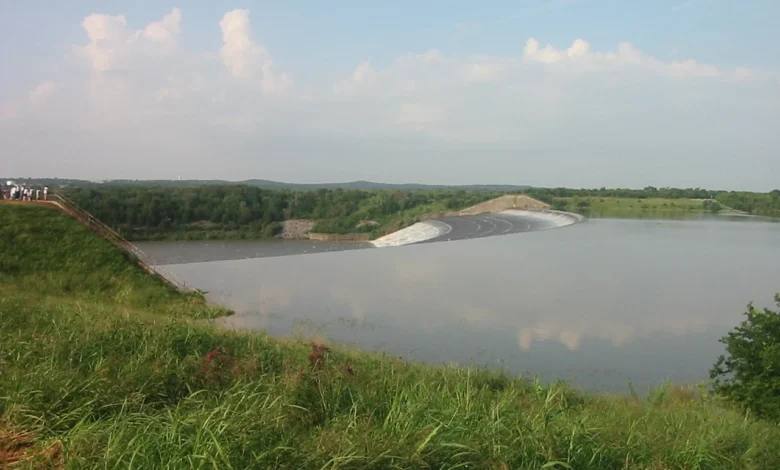
Lake Texoma is one of the largest reservoirs in the United States, created by the Denison Dam on the Red River in 1944. It covers over 89,000 acres and holds nearly 2.5 million acre-feet of water when full. The lake straddles the boundary between Texas and Oklahoma—hence the portmanteau “Texoma.”
Its strategic location has made it a hotspot for outdoor activities such as fishing, boating, camping, hiking, and wildlife observation. The lake attracts millions of visitors each year, contributing significantly to the local economy through tourism and recreation.
To refer to such an immense and treasured landmark in lowercase is to diminish its stature. Lake Texoma should be capitalized to honor its status as a cornerstone of regional identity and a jewel of natural beauty.
Economic and Ecological Importance
Beyond its recreational offerings, Lake Texoma plays a vital role in regional water management and hydroelectric power generation. It provides water to nearby communities, sustains diverse aquatic ecosystems, and supports local industries such as fishing and hospitality.
The lake is also home to a wide variety of wildlife, including bald eagles, herons, bass, catfish, and more. Its rich biodiversity makes it an important ecological site worthy of respect and proper recognition.
When we write “lake texoma” without capitalization, we risk conveying a lack of awareness or appreciation for its environmental and economic contributions. Proper capitalization is a small but powerful way to communicate reverence.
Cultural Relevance and Local Pride
For the communities surrounding the lake—whether in Denison, Texas or Kingston, Oklahoma—Lake Texoma is more than just a body of water. It is a source of identity and pride. Local businesses, events, festivals, and sports teams often incorporate the lake’s name to reflect their connection to the region.
For instance, the Lake Texoma Association works tirelessly to promote tourism, support conservation efforts, and protect the lake’s natural beauty. Numerous annual events, like the Lakefest Regatta or Texoma Throwdown, are centered around the lake, attracting crowds from all over the country.
Failing to capitalize the name in this context isn’t just grammatically incorrect—it’s culturally tone-deaf. It erases the symbolic importance of Lake Texoma in people’s hearts and memories.
Digital Visibility and SEO Relevance
In the digital age, even search engine optimization (SEO) benefits from proper capitalization. People searching for travel guides, fishing tips, or vacation rentals are more likely to type “Lake Texoma” in their queries. Web content that uses the correct capitalization tends to appear more credible and authoritative, contributing to higher search rankings.
Moreover, proper naming conventions help maintain uniformity across travel platforms, databases, and official directories. Consistent capitalization supports clear communication, enhances readability, and elevates the professionalism of online content.
Conclusion
Words matter. Names matter even more. In the case of Lake Texoma, capitalizing its name is not just a grammatical obligation—it’s a sign of respect for a natural wonder that brings joy, sustenance, and unity to two great states.
As writers, travelers, locals, or digital publishers, we have a shared responsibility to ensure that names like Lake Texoma are treated with the reverence they deserve. So next time you write about this remarkable destination, remember: Lake Texoma should be capitalized—always.